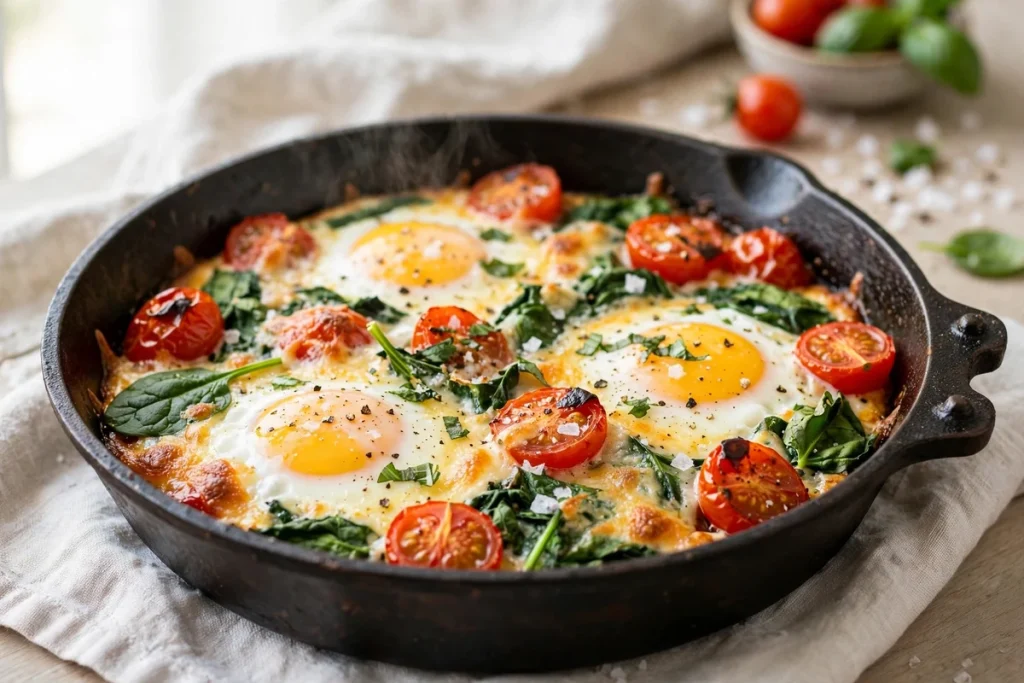

Halloumi is the firm, salty cheese that squeaks when you bite it and holds its shape on a hot grill instead of melting into a puddle. If you have ever wondered what is in halloumi cheese, why it behaves so differently from mozzarella or feta, and whether it is actually healthy, this guide answers all of it. Below you will find the exact ingredients, the milk it is made from, a full nutrition breakdown, cooking times for grilling, frying and baking, storage rules, and a clear comparison with the cheeses people most often confuse it with.
What Is Halloumi Cheese?
Halloumi is a semi-hard, brined cheese from Cyprus, where it has been made for centuries and is now protected as a traditional Cypriot product. It is made by heating curdled milk, pressing it into blocks, and then storing those blocks in salty brine. That brine is the reason halloumi tastes so salty and keeps so well in the fridge. Traditional halloumi is folded in half with dried mint in the middle, a detail you can still see in authentic Cypriot halloumi today. The cheese is pale white, firm and springy when raw, and it turns golden, crisp on the outside and soft inside, when it is heated.
What makes halloumi famous is its heat resistance. Most cheeses melt when they get hot because their protein structure loosens and their fat runs free. Halloumi is different. Its curd is heated during production, which tightens the protein network and raises the temperature at which the cheese softens. That is why you can grill a slice of halloumi directly over charcoal, fry it in a dry pan, or thread it onto a skewer without it collapsing. No other widely sold cheese behaves quite like this, and that single property explains both its popularity and its price.
What Is in Halloumi Cheese?
At its simplest, halloumi contains only a handful of ingredients. Modern supermarket halloumi adds a few stabilisers so the texture stays consistent at scale, but the core recipe has barely changed. If you check the label on a block of halloumi in the store, you will almost always find this list.
| Ingredient | What it does in halloumi | Typical amount |
|---|---|---|
| Milk (goat, sheep, cow, or a blend) | Provides the protein and fat that become the curd | About 90 percent of the cheese by weight |
| Rennet | Enzyme that curdles the milk so it sets into curd | A few drops per litre of milk |
| Salt | Flavours the cheese and preserves it in brine | About 2 to 3 percent |
| Dried mint | Traditional Cypriot flavouring, folded into the block | A pinch, in traditional recipes |
| Calcium chloride (some brands) | Helps the milk set firmly, especially with pasteurised milk | Trace amount |
That is the whole recipe. There is no cream, no added oil, no starch and no flavouring beyond the mint in a traditional block. Halloumi gets its calories and richness from the milk itself, not from added fat, which is why a lower-fat halloumi can taste almost identical to the full-fat version but still behaves the same in the pan. If a label lists long chemical names, check whether they are simply the legal names for rennet and calcium chloride, which are standard in modern cheesemaking.
Is Halloumi Made From Cow, Goat or Sheep Milk?
Traditionally, halloumi was made from a mixture of goat milk and sheep milk, and that blend is still the legal standard for PDO (Protected Designation of Origin) halloumi from Cyprus. Goat milk gives a tangy, slightly sharp flavour, while sheep milk adds richness and a higher fat content, so the blend is both creamy and bright. Today, most halloumi sold outside Cyprus is made mainly or entirely from cow milk, sometimes with a little goat or sheep milk added for flavour. Cow milk halloumi is milder, softer and usually cheaper, while goat and sheep milk halloumi is firmer, saltier and more strongly flavoured.
The milk matters for more than taste. Sheep milk halloumi is richer in fat and calcium than cow milk halloumi, and goat milk halloumi is often easier for some people to digest because its fat globules are smaller. If you cannot tell which milk was used, read the ingredients: manufacturers must list the milk type. If the label simply says milk, it is almost always cow milk. None of the versions is lactose-free, although the heating and brining mean halloumi usually contains less lactose than fresh milk.
Halloumi Nutrition: What Is in 100 Grams?
Halloumi is a protein-rich food, but it is also salty and high in saturated fat, so portion size matters. A typical serving is 30 to 40 grams, about two slices, rather than the 100 grams shown on the nutrition label. The figures below are typical for full-fat halloumi; brands vary by about 10 percent either way.
| Nutrient (per 100 g) | Amount | What it means |
|---|---|---|
| Energy | 320 to 340 kcal | About 110 kcal per two-slice serving |
| Protein | 20 to 24 g | Similar to chicken per gram, and very filling |
| Total fat | 25 to 28 g | Mostly saturated fat from the milk |
| Saturated fat | 16 to 18 g | The main reason to keep portions modest |
| Carbohydrate | 1 to 2 g | Almost no sugar or starch |
| Salt | 2.5 to 3.5 g | About half the daily recommended limit in 100 g |
| Calcium | 700 to 800 mg | About 90 percent of the daily reference intake |
The two numbers to watch are salt and saturated fat. One 100 gram block contains more salt than many people should eat in an entire day, so if you eat halloumi regularly, balance it with low-salt foods on the same day and skip extra salty sauces. On the positive side, halloumi is high in protein and calcium, contains almost no carbohydrate, and works well in a low-carb or vegetarian diet, where getting enough protein at a barbecue can be a genuine challenge.
Why Halloumi Does Not Melt
Halloumi does not melt for a concrete, physical reason: it is cooked twice. The curd is heated to around 90 degrees Celsius during production, which shrinks and tightens the casein protein network, squeezing out whey and fat. That tight network needs a much higher temperature to loosen again, higher than a frying pan or grill normally reaches on the surface of a slice. At the same time, halloumi has a lower moisture content than mozzarella or brie, and moisture is what allows a cheese to flow when it softens.
Think of eating halloumi as eating a cheese that has already been cooked once before you buy it. When you grill it, you are not melting it, you are browning it. The outside crisps and caramelises while the inside warms and softens slightly, and the squeaky texture survives because the protein structure stays intact. Overcook it, though, and the result is rubbery rather than melted: the protein tightens even further. That is why the cooking times below matter, and why thin slices are more forgiving than thick ones.
How to Cook Halloumi: Times by Method
Slice halloumi about 8 to 10 millimetres thick, roughly the width of a little finger, and pat the slices dry with kitchen paper before cooking. Wet halloumi steams instead of browning, and it will never crisp properly. You do not need oil for a non-stick pan, but a light brush of oil helps on a grill or a cast iron pan. Fry or grill halloumi in butter if you want a richer flavour, and a little melted butter brushed on before grilling gives the best colour.
| Method | Time per side | Temperature | Best for |
|---|---|---|---|
| Pan-frying | 2 to 3 minutes | Medium-high, dry or lightly oiled pan | Everyday slices for salads and sandwiches |
| Grilling / barbecue | 2 to 4 minutes | Medium-high direct heat | Kebabs, burgers and outdoor cooking |
| Baking | 10 to 12 minutes, turn once | 200 C (400 F) | Large batches and tray bakes |
| Air fryer | 6 to 8 minutes total | 190 C (375 F) | Crisp cubes for salads and bowls |
Serve halloumi immediately. It firms up and loses its soft centre within about five minutes of leaving the heat, so time your salad, bread and plates first and cook the cheese last. A squeeze of lemon, a drizzle of honey, and a simple dressing made with olive oil and apple cider vinegar are the three classic finishes, and each one cuts through the salt in a different way. Try the lemon first; it is the combination most Cypriot cooks reach for.
What Does Halloumi Taste Like?
Halloumi tastes salty, milky and faintly tangy, with a mild, almost minty note in traditional versions. Its texture is the real talking point: firm, springy, and squeaky against the teeth. The squeak comes from the tight protein network rubbing against tooth enamel, and it is a sign of fresh halloumi. Older or overheated halloumi is less squeaky and more rubbery. When halloumi is grilled, the taste changes: the outside develops sweet, toasty, almost nutty flavours from browning, while the inside stays milky and soft. That contrast is why grilled halloumi works in dishes where plain cheese would feel one-note.
How to Store Halloumi and How Long It Lasts
Unopened halloumi keeps for months in the fridge because the salt and brine act as preservatives. Check the date on the pack and keep it sealed until you need it. Once opened, use it within three to five days, and keep it in its brine if the pack has any left. If the brine has been poured away, store the block in a sealed container covered with lightly salted water, changing the water daily. That keeps the halloumi moist and prevents it from drying out or picking up fridge smells.
You can freeze halloumi for up to three months if you wrap slices tightly in cling film and put them in a freezer bag. Thaw it in the fridge overnight and cook it rather than eating it raw, because freezing makes the texture a little crumblier. Signs that halloumi has gone bad are easy to spot: a sour or yeasty smell, a slimy surface, pink or dark spots, or a bitter taste. White spots are usually just salt crystals and are harmless, but when in doubt, throw it out. Like other foods, halloumi is safest when you follow the use-by date and store it cold and sealed.
Halloumi vs Feta, Mozzarella and Paneer
People often confuse halloumi with other white cheeses, but they behave very differently in cooking. This table settles the differences at a glance, and it is worth checking before you substitute one for another in a recipe.
| Cheese | Melts when heated? | Taste | Best use |
|---|---|---|---|
| Halloumi | No, it browns and softens | Salty, milky, squeaky | Grilling, frying, kebabs |
| Feta | Softens but does not flow | Sharp, crumbly, briny | Salads and crumbling over dishes |
| Mozzarella | Yes, stretches and flows | Mild and milky | Pizza and baked pasta |
| Paneer | No, holds its shape | Mild and fresh | Indian curries and frying |
Paneer is the closest substitute if you cannot find halloumi, because it also holds its shape when fried. It is milder and less salty, so season it more generously. Feta is the worst substitute for grilling because it crumbles apart, while mozzarella is the worst for a salad that needs a firm, savoury bite. If a recipe simply says white cheese, check what it asks the cheese to do: if it needs to be grilled, use halloumi or paneer; if it needs to melt, use mozzarella.
Is Halloumi Healthy?
Halloumi is neither a health food nor a food to fear; it is a cheese, and portion size decides. The protein and calcium are genuine benefits, and it is very filling for its calories, which helps at a vegetarian barbecue where bread and salads can leave people hungry. The problem is the salt and saturated fat. One serving of two slices contains roughly 230 mg of sodium and 5 grams of saturated fat, which is fine as part of a balanced day but a lot if you eat halloumi every day.
To make halloumi healthier, keep portions to two slices, pair it with vegetables rather than bread and chips, and look for a reduced-salt halloumi, which several supermarkets now sell. People following a low-sodium diet, or managing high blood pressure, should treat halloumi as an occasional food. For a drink with halloumi, water, lemonade, or a simple glass of wine suits it best, and a black coffee like a double espresso also works if you are serving it at brunch. Halloumi is vegetarian but not vegan, since it is made from milk, and it contains rennet, which traditional vegetarians using animal rennet may want to check on the label.
Frequently Asked Questions About Halloumi
Can you eat halloumi raw? Yes, you can eat halloumi straight from the pack. It is salty, firm and squeaky raw, but most people prefer it cooked, when the outside turns golden and the inside softens.
Is halloumi gluten-free? Yes, plain halloumi is naturally gluten-free. Always check the label on flavoured or coated varieties, which sometimes contain flour or breadcrumbs.
Why is halloumi so expensive? Halloumi is expensive because goat and sheep milk cost more than cow milk, the cheese is aged in brine, and authentic Cypriot halloumi is imported. Supermarket cow milk halloumi is usually about a third cheaper.
Can you microwave halloumi? You can, for 30 seconds on medium power, but it will not brown or crisp. Microwaving is best for warming halloumi to put in a sandwich, not for a golden finish.

Halloumi contains milk, rennet, salt and, in the traditional recipe, dried mint. It is the only widely sold cheese that can be grilled and fried without melting, and that property follows directly from the way it is made. Use it in modest portions, cook it hot and fast, serve it immediately, and it will do what no other cheese can do on your grill or in your pan. Halloumi is also excellent in baked eggs for brunch, and it works in many fast and easy dinner recipes.