
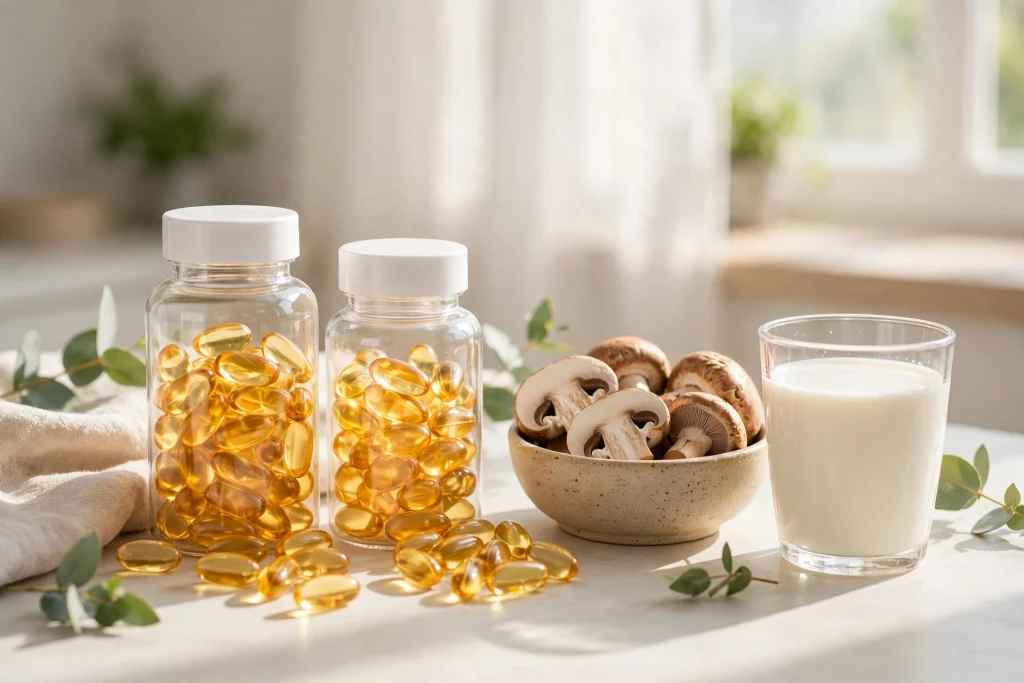

What does glutathione do? Glutathione is a powerful antioxidant that your body makes naturally from three amino acids, and it helps protect your cells from damage, supports your liver’s detox work, and keeps your immune system working well. It is often called the body’s master antioxidant because it is found in almost every cell and helps recycle other antioxidants, such as vitamins C and E. This guide explains what glutathione does, what its benefits really are, which forms are available, and what to know about safety before you try a supplement.
Glutathione has become popular as a supplement, especially for skin brightening and anti-aging, but the evidence behind some of those claims is weaker than the marketing suggests. Understanding what glutathione actually does in the body, and what taking it as a supplement can and cannot do, will help you decide whether it is worth your money and whether it is safe for you. As with any supplement, talk to a healthcare professional before starting it, especially if you are pregnant, breastfeeding, or taking medication.
What Is Glutathione?
Glutathione is a small molecule made in the liver from three amino acids: cysteine, glycine, and glutamate. Unlike most supplements, it is not something your body only gets from food; your cells produce it every day, and levels are highest when you are young and healthy. Levels fall with age, illness, poor diet, stress, and exposure to pollution, alcohol, and certain medications, which is one reason researchers are interested in whether supporting glutathione levels can help health.
You can also get the building blocks of glutathione from food. Sulfur-rich foods such as garlic, onions, broccoli, cauliflower, Brussels sprouts, and eggs provide cysteine, the amino acid that usually limits how much glutathione your body can make. Whey protein is also rich in cysteine. Eating well, sleeping enough, and exercising regularly all help your body maintain healthy glutathione levels, which is why lifestyle matters more than any single supplement.
What Does Glutathione Do in the Body?
Glutathione’s main job is to neutralize free radicals, the unstable molecules that damage cells and contribute to aging and disease. When a free radical steals an electron from a cell, glutathione gives up one of its own, stopping the chain of damage. It also helps recycle vitamins C and E back into their active forms, so those antioxidants can keep working. This is why it is described as a master antioxidant: it supports the whole antioxidant system, not just one part of it.
Its second major job is detoxification. The liver uses glutathione to bind to toxins, drugs, and heavy metals so they can be removed from the body in urine or bile. This is a normal, everyday process, not a special cleanse, and it is one of the reasons the liver makes so much glutathione. Its third major job is immune support: glutathione helps immune cells work properly and helps control inflammation, which is why low levels are seen in many chronic illnesses, although low levels are often a result of illness rather than its cause.
Glutathione and skin
Glutathione is widely promoted for skin brightening, and this is where the evidence gets thinner. Laboratory studies show that glutathione can interfere with melanin production, the pigment that darkens skin, and some small trials have found modest skin-lightening effects from oral glutathione. But the studies are small, short, and mixed, and the effect is usually subtle and temporary. Glutathione is not a proven treatment for melasma or uneven skin tone, and it is no substitute for sun protection. If you want to protect your skin from tanning and sun damage, start with sunscreen: read our guide to whether sunblock stops tanning and what SPF really does to your skin.
Glutathione, energy, and aging
Because glutathione protects mitochondria, the parts of cells that produce energy, it is sometimes marketed for energy and anti-aging. There is a plausible mechanism, but there is little direct evidence that taking glutathione supplements boosts energy or slows aging in healthy people. Most of the strongest evidence is in specific medical situations, such as supporting the liver during certain treatments or helping people with low glutathione due to illness, rather than in general wellness use.
Forms of Glutathione: Oral, Liposomal, IV, and Topical
Glutathione supplements come in several forms, and they differ a lot in cost, convenience, and how much actually reaches your cells. Ordinary oral glutathione is partly broken down in the digestive system, so only a fraction is absorbed, although some studies show that it can still raise blood levels over weeks of use. Liposomal glutathione wraps the molecule in tiny fat bubbles that protect it through digestion, and it is better absorbed than standard capsules, but it costs more. Intravenous (IV) glutathione delivers it directly into the bloodstream and is used in clinics, but it is expensive, needs a medical setting, and carries more risk. Topical glutathione in creams and serums is marketed for skin, but there is little evidence it reaches the deeper layers of skin in meaningful amounts.
| Form | How it is taken | Absorption | Notes |
|---|---|---|---|
| Oral capsules | Swallowed daily | Modest; partly broken down | Cheapest and easiest; effects are modest |
| Liposomal | Liquid or capsules | Better than standard oral | More expensive; best-studied oral option |
| Intravenous (IV) | Drip in a clinic | Direct to bloodstream | Costly; needs medical supervision |
| Topical | Creams and serums | Limited skin penetration | Weak evidence for skin benefits |
| Precursor (NAC) | Capsules | Supports your own production | N-acetylcysteine supplies cysteine |
An alternative to taking glutathione itself is to take a precursor that helps your body make more of it. N-acetylcysteine, known as NAC, supplies cysteine, the limiting building block, and is widely used in medicine for that purpose. It is generally cheaper than liposomal glutathione and has a longer safety record, but it is still a supplement with its own side effects, so discuss it with a healthcare professional rather than starting it on your own.
Is Glutathione Safe? Side Effects and Who Should Avoid It
For most healthy adults, oral glutathione at typical doses is considered low risk, and side effects are usually mild, such as stomach cramps, bloating, or diarrhea. Allergic reactions are possible, especially in people with asthma, and glutathione may interact with some medications, including certain chemotherapy drugs. Because it can affect how the body handles some drugs, tell your doctor if you are taking it alongside prescription treatment.
IV glutathione carries more risk than oral forms. There have been reports of serious reactions, including skin rashes, kidney problems, and thyroid problems, especially with repeated high doses given for skin whitening, a use that is not approved in many countries. Pregnant and breastfeeding women should avoid glutathione supplements because there is not enough safety data, and children should only take it under medical guidance. The safest approach for most people is to support the body’s own production through diet, sleep, and exercise, and to treat supplements as a second choice, not a first one.
How to Support Your Glutathione Levels Naturally
You can support healthy glutathione levels without a supplement. Eat sulfur-rich foods such as garlic, onions, broccoli, cauliflower, Brussels sprouts, and eggs, and include enough protein overall, since the amino acids come from protein. Get regular exercise, which raises glutathione in the short term, and protect your sleep, because poor sleep and chronic stress lower antioxidant defenses. Limiting alcohol also helps, because alcohol depletes glutathione in the liver.
Other nutrients work alongside glutathione. Vitamin C helps recycle glutathione, selenium is needed to make the enzymes that use it, and vitamin E works with it to protect cell membranes. A balanced diet that covers these nutrients is more useful than a single supplement, and it is worth remembering that many of the benefits attributed to glutathione supplements may really come from fixing a poor diet. If you take other supplements, compare their evidence too: our guide to vitamin D2 vs D3 and which one is better for your health explains how to weigh the evidence for a supplement before you buy it.
Frequently Asked Questions
What does glutathione do for your skin?
Glutathione is an antioxidant that may modestly reduce melanin production, which can lighten skin slightly in some people. The evidence is limited and the effect is usually subtle and temporary, and it is not a proven treatment for pigmentation. Sun protection matters far more for healthy skin.
Does glutathione detox your liver?
Glutathione helps the liver process and remove toxins, drugs, and heavy metals as part of its normal work. It supports the liver, but it is not a detox cleanse, and no supplement can replace a healthy liver, a good diet, and limiting alcohol.
Is it safe to take glutathione every day?
Oral glutathione at typical doses is generally considered low risk for healthy adults, but long-term safety data are limited. Talk to a healthcare professional before taking it daily, especially if you are pregnant, breastfeeding, have asthma, or take prescription medication.
Which form of glutathione is best?
Liposomal glutathione is better absorbed than standard oral capsules, and IV glutathione delivers the most directly but needs a clinic and carries more risk. For most people, supporting the body’s own production through diet and lifestyle is the safest starting point.
How long does it take for glutathione to work?
It depends on what you are measuring. Blood levels can rise within weeks of taking oral glutathione, but visible changes, such as any skin effect, take longer and may be modest or absent. If you notice no benefit after a few months, it is probably not worth continuing.
Conclusion
Glutathione does a lot for your body: it neutralizes free radicals, helps your liver clear toxins, supports your immune system, and helps recycle other antioxidants. Your body makes it every day, and a good diet, enough sleep, regular exercise, and limiting alcohol are the most reliable ways to keep levels healthy. Supplements can raise levels, but the evidence for many of the popular claims, especially for skin whitening and anti-aging, is modest at best, and IV use carries real risks. If you are considering glutathione, start with the basics, be skeptical of dramatic claims, and talk to a healthcare professional first.