
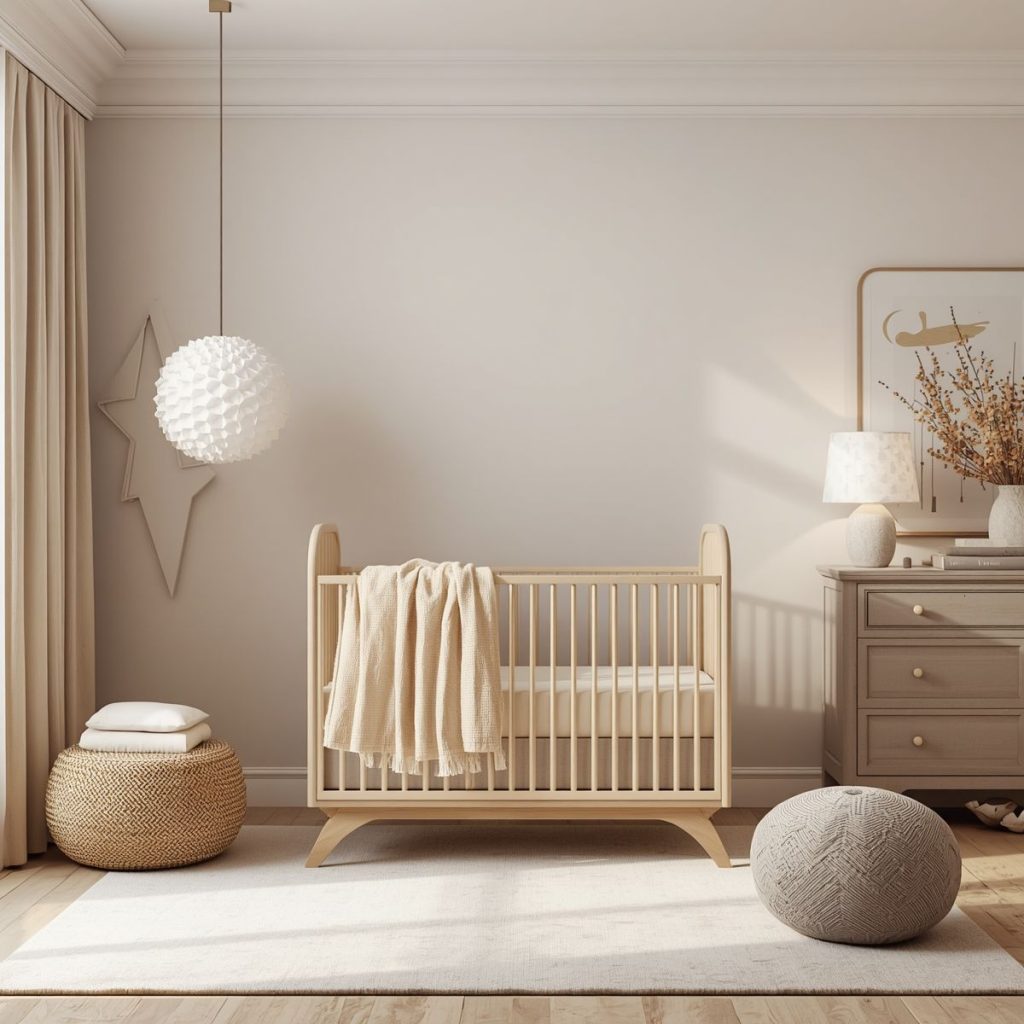

Babies sleep up to 17 hours a day in the first few months of life. Where they sleep is not just a comfort decision. It is a safety call. The right baby cot reduces the risk of Sudden Infant Death Syndrome (SIDS), positional suffocation, and entrapment. Red Nose Australia reports that around 110 babies die from SIDS each year in Australia. Many of those deaths are linked to unsafe sleep environments. This guide explains what to look for, what to avoid, and why the choices you make at the shop floor carry real consequences.
What Safety Standards Should a Baby Cot Meet in Australia?
Australian Standard AS/NZS 2172 governs full-size cots. AS/NZS 2195 covers portable and folding cots. Both set requirements for slat spacing, mattress height, and structural strength. Slat spacing must be between 50mm and 95mm. Too wide and a baby’s head can get trapped. Too narrow is fine. Drop-side cots are banned in Australia. They were linked to infant deaths overseas. If someone offers you a second-hand drop-side cot, refuse it. No matter how cheap it is. A cot that does not meet current Australian standards is a hazard dressed up as furniture.
Does Mattress Firmness Really Affect Baby Safety?
Yes. Significantly. A soft mattress allows a baby’s face to sink into the surface. That increases the risk of suffocation and rebreathing exhaled carbon dioxide. The Safe Sleep guidelines from Red Nose Australia are clear: the mattress must be firm and flat. It should not indent when you press your hand into it and spring back slowly. It should spring back fast. The mattress must also fit the cot with no gap larger than 20mm on any side. Gaps allow babies to wedge themselves in positions they cannot escape. Firm, flat, and fitted. That is the standard.
What Is the Right Mattress Height Setting and When Does It Change?
Most cots offer multiple mattress base height positions. Start at the highest setting when your baby is a newborn and cannot sit or pull up. Lower the mattress as your baby develops. Once a baby can sit unassisted, drop to the middle position. Once standing attempts start, go to the lowest setting. The rule is simple: the cot rail should always be higher than the baby’s chest height when standing. A baby who can pull to stand and topple over the rail will be injured. Most parents adjust too late because they do not notice developmental milestones happen fast.
Should You Buy New or Is a Second-Hand Cot Safe?
Second-hand cots carry real risk. Older cots may not meet current standards. Paint on older models may contain lead. Structural wear can compromise slat integrity. If you do buy second-hand, verify the model meets AS/NZS 2172, check every slat for cracks or looseness, confirm the mattress is new (never reuse a second-hand mattress), and check the base support for any bending or damage. Red Nose Australia recommends always using a new mattress even with a borrowed cot. Old mattresses harbour bacteria and may have softened with use. This is not the place to save fifty dollars.
How Much Space Does a Baby Actually Need Inside a Cot?
Internal cot dimensions in Australia are standardised for full-size models: 1310mm x 690mm. This is not arbitrary. It ensures standard mattress sizes fit without dangerous gaps. Do not put anything else inside the cot. No pillows. No bumpers. No soft toys. No loose blankets. The Safe Sleep guidelines call this a bare cot. Bumper pads, widely marketed as a safety product, are actually a suffocation risk. The American Academy of Pediatrics and Red Nose Australia both advise against them. A bare cot feels sparse. That is the point. Babies do not need comfort items in their sleep space. They need nothing that can cover their face.