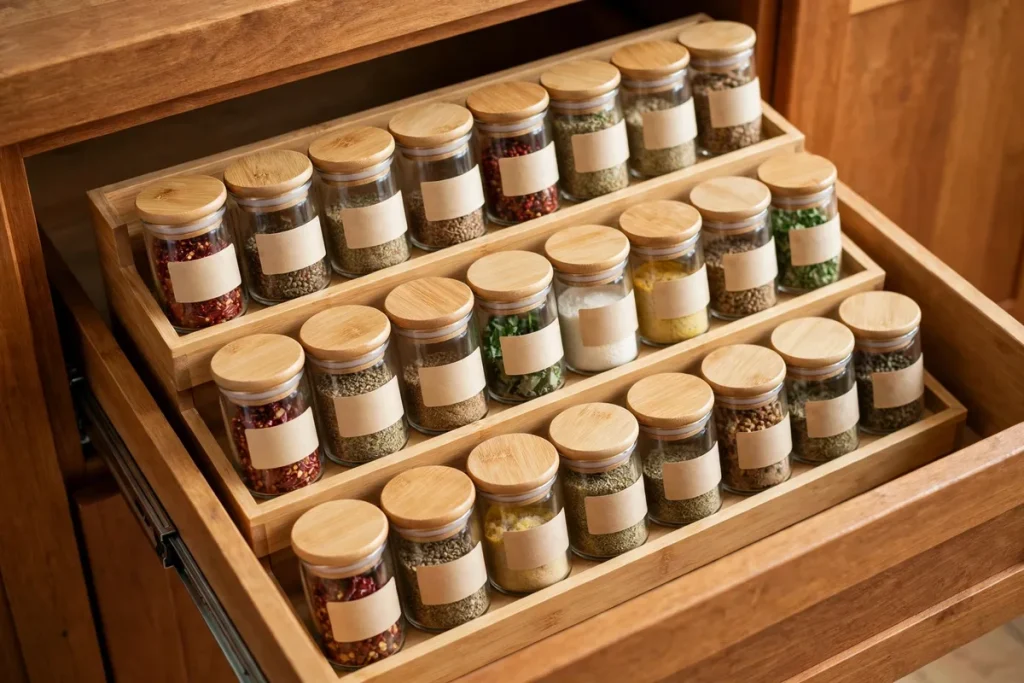

Dried herbs are one of the simplest ways to keep big flavor in your kitchen all year. A small jar of dried oregano, thyme or basil can turn plain pasta, roasted vegetables or a pot of soup into something worth remembering, and unlike fresh herbs, dried herbs do not wilt in the fridge after three days. If you have ever wondered which dried herbs are worth buying, how long they last and how to use them without overpowering a dish, this guide covers everything you need to know.
What Are Dried Herbs?
Dried herbs are fresh herbs that have had almost all of their moisture removed, usually by air drying, oven drying or freeze drying. Removing the water concentrates the essential oils that give herbs their flavor, which is why a teaspoon of a dried herb tastes much stronger than a teaspoon of the same fresh herb. The leaves are then crumbled or left whole and stored in jars, where they stay usable for months.
Almost any culinary herb can be dried, but some handle the process better than others. Woody herbs such as rosemary, thyme, oregano, sage and bay leaves dry beautifully and keep their flavor for a long time. Tender herbs such as basil, parsley, cilantro and dill lose more of their brightness when dried, yet they are still useful in cooked dishes where their fresh versions would wilt anyway. Understanding this difference is the first step to using dried herbs well.
Dried herbs are also a practical answer to food waste. A bunch of fresh parsley bought for one recipe often ends up half wilted in the refrigerator, but the same herbs, dried and jarred, will season dozens of meals. For home cooks who want a well-stocked pantry without weekly trips to the produce aisle, dried herbs are one of the best investments a spice drawer can hold.
Dried Herbs vs Fresh Herbs: What Is the Difference?
Fresh and dried herbs are not interchangeable, but neither is automatically better. Each one suits different dishes, and knowing when to reach for each will improve your cooking right away.
Flavor and strength
Drying concentrates flavor, so dried herbs taste stronger, earthier and sometimes slightly different from their fresh versions. Dried oregano, for example, tastes warmer and more pungent than fresh oregano, while dried basil loses the sweet, peppery brightness of fresh basil leaves. As a rule, dried herbs work best in dishes where their flavor has time to develop, and fresh herbs shine where brightness and color matter.
When to use dried herbs
Use dried herbs in slow-cooked dishes such as soups, stews, sauces, braises, roasts and marinades. Added early, they release their flavor into the dish as it cooks. Dried herbs are also the right choice for spice rubs, salad dressings that will sit for a while and any recipe where fresh herbs are out of season or unavailable.
When to use fresh herbs
Use fresh herbs as a finishing touch: torn over a salad, stirred into a dish at the very end of cooking or scattered over a finished plate. Fresh basil on a tomato salad, fresh cilantro on tacos and fresh parsley over grilled fish all add a brightness that dried herbs cannot match. If a recipe says to add the herbs in the last minute of cooking, it almost always means fresh.
How Long Do Dried Herbs Last?
Dried herbs do not spoil the way fresh food does, but they do lose their flavor over time. Most dried herbs stay at their best for six months to one year when stored properly, and they remain safe to eat well beyond that, just less flavorful. Whole dried herbs, such as whole bay leaves and intact rosemary needles, last longer than crumbled or ground herbs because less of their surface is exposed to air.
Use the table below as a guide. These are estimates for herbs stored in airtight containers away from heat and light.
| Dried herb | Best flavor for |
|---|---|
| Oregano | 6 to 12 months |
| Thyme | 6 to 12 months |
| Rosemary | 12 months |
| Basil | 6 months |
| Parsley | 6 months |
| Dill | 6 months |
| Mint | 6 to 12 months |
| Bay leaves | 12 months |
| Sage | 6 to 12 months |
The simplest freshness test is your nose. Open the jar and crush a pinch between your fingers. If the smell is strong and clear, the herb is still good. If it smells like dust or almost nothing at all, it is time to replace it. Do not judge a dried herb by its color alone, since many herbs fade while still tasting fine.
How to Store Dried Herbs the Right Way
Good storage is what separates a fragrant jar of oregano from a jar of flavorless flakes. Heat, light, air and moisture are the four enemies of dried herbs, and your storage setup should guard against all of them.
Use airtight containers
Glass jars with tight-fitting lids are the best choice for dried herbs. Small mason jars, reused spice jars and amber glass jars all work well. Avoid plastic bags and open bowls, which let air and moisture in. Fill jars as full as you reasonably can, since less air in the jar means slower flavor loss.
Keep them cool, dark and dry
Store dried herbs in a cupboard or drawer away from the stove, the dishwasher and sunny windowsills. A spice rack beside the stove may look charming, but the heat and steam from cooking will drain flavor from your herbs in weeks. A cool, dark pantry shelf is a far better home.
Label everything
Label every jar with the herb name and the date you bought or dried it. Dried oregano and dried marjoram look nearly identical, and you will not remember which jar is which six months from now. A simple piece of masking tape and a marker is all you need, and it makes it easy to follow the rule of replacing herbs once a year.
The 10 Best Dried Herbs to Keep in Your Pantry
You do not need thirty jars to cook well. These ten dried herbs cover most everyday cooking, from Italian sauces to roast chicken to cups of tea.
- Oregano: the backbone of tomato sauces, pizza, Greek salads and grilled meats. Warm, peppery and bold.
- Basil: sweeter and milder than fresh basil, but excellent in tomato soup, pasta sauce and bean dishes.
- Thyme: earthy and slightly minty. Wonderful with chicken, roasted vegetables, soups and stuffing. A pinch of dried thyme can even lift a fruit sauce, which is one reason cooks pair herbs with seasonal fruit; if you want to know when that fruit is at its best, read our guide to when cherry season falls in the US.
- Rosemary: piney and strong. Use it with roast potatoes, lamb, pork and focaccia, but use a light hand.
- Bay leaves: add one or two whole leaves to soups, stews and rice dishes, then remove them before serving.
- Parsley: mild and grassy. It adds color and gentle flavor to soups, sauces and grain dishes.
- Dill: essential for pickles, salmon, potato salad and yogurt sauces.
- Sage: warm and slightly peppery. Classic with turkey stuffing, brown butter and roasted squash.
- Mint: cooling and sweet. Dried mint works in teas, lamb dishes, grain salads and desserts, and it is one of the easiest herbs to dry at home. A spoonful of dried mint is also the base of many soothing cups of hot tea.
- Cilantro: the dried form is milder than fresh, but it still works in curries, salsas and bean dishes.
How to Dry Your Own Herbs at Home
Drying your own herbs is cheaper than buying jars, and the flavor is usually better because you control the timing. Start with fresh herbs from your garden, a farmers market or the grocery store, and dry them the same day you buy them.
Air drying
Air drying is the oldest and simplest method. Tie small bundles of herbs with string, hang them upside down in a warm, dry room with good air circulation, and wait one to two weeks until the leaves feel crisp. This method works best for low-moisture herbs such as oregano, thyme, rosemary and sage. Keep the bundles out of direct sunlight so the herbs keep their color.
Oven drying
For faster results, spread herb leaves in a single layer on a baking sheet and dry them in the oven at its lowest setting, usually around 170 to 180 degrees Fahrenheit, with the door slightly open. Check every 15 minutes. Most herbs are done in one to two hours. Oven drying works well for basil, parsley, dill and mint, which have more moisture than woody herbs.
Microwave drying
The microwave is the quickest option for small batches. Place a single layer of leaves between two paper towels and microwave in 30-second bursts, checking each time, until the leaves crumble easily. This usually takes one to three minutes total. It is the best method when you only need to dry a handful of leaves.
Once dried, strip the leaves from the stems, crumble them lightly, and store them in labeled, airtight jars. Whole leaves keep their flavor longer than crushed leaves, so crumble them only when you are ready to cook.
How Much Dried Herbs Should You Use?
The standard conversion is simple: use one teaspoon of dried herbs for every tablespoon of fresh herbs a recipe calls for. In other words, dried herbs are about three times as strong as fresh herbs by volume, because drying removes the water that makes up most of a fresh leaf.
- 1 tablespoon fresh herbs = 1 teaspoon dried herbs
- 1/4 cup fresh herbs = 4 teaspoons dried herbs
- 1/2 cup fresh herbs = 2 tablespoons dried herbs
- 1 cup fresh herbs = 1/3 cup dried herbs
This is a starting point, not a strict rule. Woody herbs such as rosemary and sage are very strong, so start with a little less. Tender herbs such as dried parsley and dried basil are milder, so you can be more generous. Taste as you cook and adjust. You can always add more dried herbs, but you cannot take them out once they are in.
How to Cook With Dried Herbs
Technique matters as much as quantity. A few habits will make your dried herbs taste far better.
Bloom them in fat
Many of the flavor compounds in dried herbs dissolve in fat, not water. Warming your dried herbs in oil or butter for 30 seconds before adding other ingredients wakes up their flavor. This is the trick behind great pasta sauces, curries and salad dressings, and it works with nearly every dried herb in your drawer.
Add them early
Unlike fresh herbs, dried herbs need time to soften and release their flavor. Add them near the start of cooking for soups, stews and sauces. For quick dishes such as sauteed vegetables or grilled cheese, add the dried herbs to the oil or butter first so they have a chance to bloom.
Crush before using
Rub dried herbs between your palms or your fingers as you add them to a dish. This crushing step breaks open the dried leaves and releases their essential oils, which makes a noticeable difference in flavor. It takes two seconds and costs nothing.
Pair them with the right foods
Dried herbs are not only for soups and sauces. Try dried oregano and mint sprinkled over grilled halloumi, dried thyme on roasted carrots, dried rosemary on focaccia and dried dill in a yogurt dip. Once you start thinking of dried herbs as a seasoning rather than a backup option, you will reach for them more often.
Common Mistakes to Avoid
Using too much. Because dried herbs are concentrated, a tablespoon of dried oregano where a recipe wanted a tablespoon of fresh oregano will overwhelm the dish. Remember the three-to-one rule and measure until it becomes habit.
Adding them too late. Stirring dried herbs into a finished soup and serving it right away gives them no time to soften, so they can taste gritty and harsh. Give them at least 15 to 20 minutes in a hot dish.
Keeping them forever. Dried herbs are not immortal. A jar that has sat above the stove for three years may be safe, but it adds little flavor. Refresh your most-used herbs once a year and your cooking will taste noticeably better.
Storing them in the wrong place. Clear jars on a sunny windowsill or a rack over the stove look good in photos, but heat and light are the fastest ways to ruin dried herbs. A dark cupboard is always the better choice.
Frequently Asked Questions About Dried Herbs
Are dried herbs as healthy as fresh herbs?
Yes, dried herbs keep most of the antioxidants and beneficial plant compounds found in fresh herbs, and because they are concentrated, a small amount can contain more of these compounds by weight. They contain almost no calories, sodium or sugar, which makes them a healthy way to add flavor without salt or fat.
Can dried herbs go bad?
Dried herbs rarely go bad in a way that makes you sick, because their low moisture stops bacteria and mold from growing. What they do is lose flavor. If a jar smells weak or dusty, or the herbs have been stored for more than a year, replace them for better taste. Throw away any herbs that show signs of moisture, clumping or mold.
Can I use dried herbs instead of fresh in any recipe?
Almost any cooked recipe works with dried herbs if you use the three-to-one conversion, but recipes where herbs are used raw and uncooked are the exception. A fresh herb salad, a pesto or a garnish of whole leaves needs fresh herbs. In cooked dishes, dried herbs are often the better choice.
Should dried herbs be refrigerated?
No, refrigeration is not necessary and can actually cause problems, because opening a cold jar in a warm kitchen causes condensation inside it. A cool, dark cupboard at room temperature is the best storage spot for dried herbs.
What is the best way to dry herbs at home?
Air drying is the best method for woody herbs such as oregano, thyme and rosemary, because it is gentle and preserves flavor. For tender herbs such as basil, mint and parsley, the oven or microwave works better, since these herbs hold more water and can mold if air dried slowly. Whichever method you choose, dry the herbs fully and store them in airtight jars.
Conclusion
Dried herbs are one of the most useful things in any kitchen. They cost little, last for months, reduce waste and add depth to everyday cooking when they are stored properly and used with a light hand. Start with the ten pantry herbs in this guide, replace them once a year, bloom them in fat and add them early, and your everyday meals will taste better with almost no extra effort. Once you have good dried herbs on hand, you may find you reach for them even when fresh herbs are in the fridge.