

There are some of the most iconic trekking routes in Nepal, and two treks stand out above the rest: the Everest Base Camp Trek and the 7 Days Annapurna Base Camp Trek. Both trips provide spectacular views of the Himalayas, an abundance of mountain culture and memorable trekking experiences. There is, however, a significant difference in length of time, available cost, height, and challenge.
Before deciding between these two iconic treks, here’s a comparison of all you need to know about the two to help you plan your Himalayan trip.
Everest Base Camp Trek vs 7 Days Annapurna Base Camp Trek: A Quick Overview
The Everest Base Camp Trek involves the trek to the foot of the world’s highest peak at 5,364m, which is located in the Khumbu region. The trek usually takes about 12-14 days with some popular spots for visit including Namche Bazaar, Tengboche Monastery and Kala Patthar.
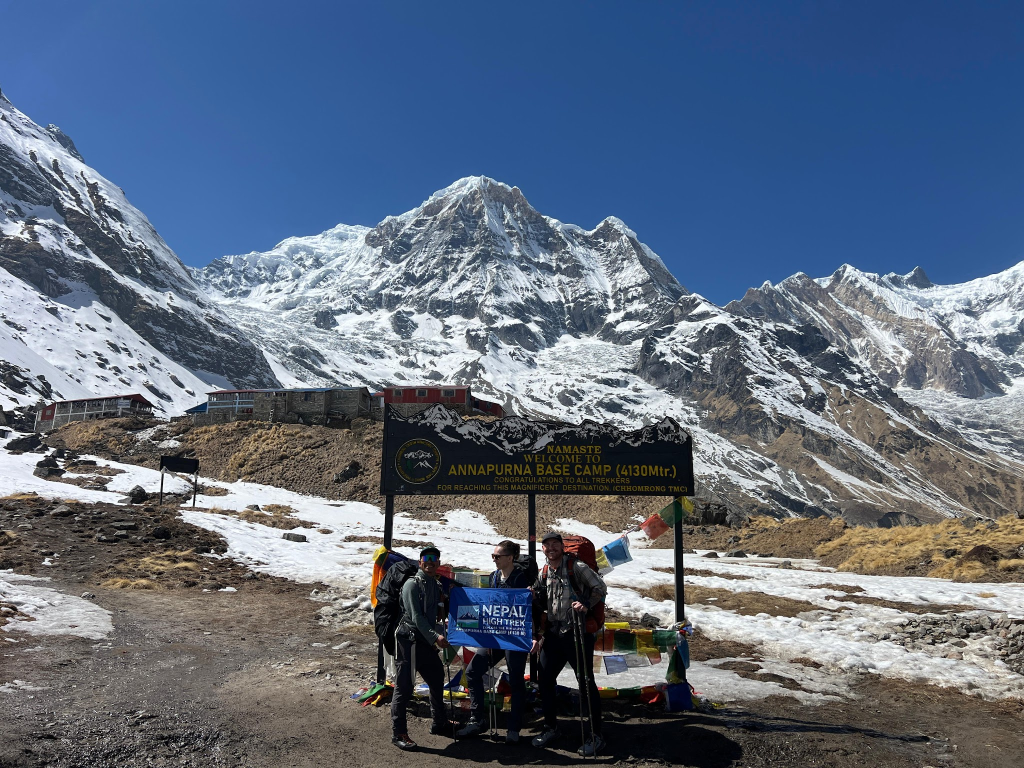
The short but sweet 7 Days Annapurna Base Camp Trek is worth a try. It takes trekkers through traditional Gurung villages, through the beautifully green forests and finally reaches Annapurna Base Camp at 4130m.
Though Everest gives the privilege of being under Mount Everest, Annapurna provides you with magnificent mountain views in a relatively shorter period.
Trek Duration, Distance, and Daily Hiking Comparison
The most noticeable difference between these treks is the duration of time that they take.
In general, the Everest Base Camp Trek takes a fortnight, which also includes acclimatizing days. The trek is about 130 km return with a gradual climb.
On the other hand, the 7 Days Annapurna Base Camp Trek is suitable for people who have limited time. The route is compact but still showcases the beauty of the Annapurna region with a well-paced route.
The Annapurna trek is also suitable for those who don’t have much spare time, and the shorter route will allow you to experience Nepal’s mountain landscapes without taking a long trip.
Massive peaks, glacial lakes, and icy rivers are just some of the many scenic highlights of the Everest and Annapurna trails.
Scenic Highlights Along the Everest and Annapurna Trails
Throughout the Everest Base Camp Trek, you get to experience spectacular glaciers, rugged mountain valleys, suspension bridges and sweeping views of Everest, Lhotse, Nuptse, Ama Dablam and other iconic mountains. The scenery is more and more alpine as you climb into the high Himalayas.
On the other continent, the 7 Days Annapurna Base Camp Trek offers a variety of rhododendron forests, waterfalls, terraced farmlands, bamboo groves, and lofty snow-covered peaks. The Annapurna mountain range, consisting of the tallest peaks in the Himalayas, bounds the trekking area in the Annapurna sanctuary.
Altitude, Acclimatization, and Trekking Challenges
Some trekkers’ choice of trekking is dictated by the altitude.
Trekking up to Everest Base Camp involves ascending to high altitudes and thus specific acclimatization days are necessary to minimise the effects of altitude sickness. One of the better-known viewpoints, Kala Patthar, is at about 5,545 m and is quite challenging to reach.
The 7 Days Annapurna Base Camp Trek offers a more moderate peak elevation of around 4130m. While trekkers might still find themselves having an altitude effect, the probability of such an occurrence is much less in comparison to Everest.
For those wanting a more difficult trek, Everest is more popular, but Annapurna is easier for those new to trekking.
Cultural Encounters and Mountain Communities Along the Trail
Culture is an important factor in both of the trekking experiences.
Sherpa is the area where the Everest region is renowned. The path leads through ancient monasteries, prayer wheels, chortens and traditional villages, all of which embody centuries of the Buddhist faith.
The Annapurna region welcomes guests to the Annapurna Gurung and Magar people who have a rich traditional heritage and hospitality. Stone houses, local food and the way of village life provide a very cozy and authentic atmosphere for hiking.
Both trails offer valuable cultural insights, but in contrasting ways.
Accommodation, Food, and Facilities During Both Treks
On both routes, the main housing is tea house.
Visitors trekking in the Everest region benefit from extensive facilities and services, especially in key destinations such as Namche Bazaar. Most of the tea houses offer free Wi-Fi, charging stations, warm showers and well-furnished communal spaces for eating.
There is also comfortable accommodation in a tea house in the Annapurna region that may be slightly less luxurious in more remote parts of the route. For the trekking participants, there are several options for meals: Dal Bhat, noodles, soups, pasta, and local specialties.
Most adventure travellers will find either of the two walks comfortable.
Best time to trek to EBC and Annapurna Base Camp:
Springs are the ideal time for both treks, and the fall is also a good time.
Rhododendron forests are in bloom and the weather is settled between March and May, when, for this reason, trekking conditions are ideal. September-November is a great time of the year for mountain visibility with pleasant temperatures.
It can be trekked in the winter season (but cold), however the summer monsoon season can cause rain and low visibility.
Comparing the costs: which is the better deal for a trek?
Money is a big issue when deciding which of these adventures to select.
Generally, this is the more economical and popular trek to Annapurna Base Camp is the 7 Days Annapurna Base Camp Trek. Overall, a complete trek package can cost between $499 and $899 per person, taking into account the services and size of the group.
Because of its longer duration, more costly logistics, and necessary flights to Lukla, the Everest Base Camp Trek is around $1,300 to $1,900 per person.
Budget-conscious tourists looking for a world-class Himalayan experience can expect to get an excellent value at Annapurna.
Everest Base Camp Trek: Who Should Do It?
The Everest Base Camp Trek is recommended for people who:
- Wish to reach the base of Mount Everest.
- Desire an arduous hike at a great altitude.
- Be prepared with a two week lead time.
- Like and appreciate remote mountains.
- Savor the iconic Everest experience.
It’s hard to beat the feeling of being at the base of the tallest mountain in the world.
About the Best Time for 7 Days Annapurna Base Camp Trek?
7 Days Annapurna Base Camp Trek is ideal for travelers who:
- Have limited vacation time.
- Go for low-level fun.
- Desire a variety of landforms and cultural experiences.
- This is our first time in Nepal.
- Looking for a more affordable alternative.
It provides a fantastic mix of scenic, cultural, and logistical factors within a shorter span of time.
Conclusion: Choosing Between the Everest Base Camp Trek and the 7 Days Annapurna Base Camp Trek
The Everest Base Camp Trek and the 7 Days Annapurna Base Camp Trek are both great treks that bring you an unforgettable experience in the Himalayas.
While trekking under the world’s tallest mountain peak is the pride of Everest, the opportunity to experience some of the most beautiful mountain views, cultural encounters and good value in a shorter trek is found in Annapurna.
Everest Base Camp is the obvious choice when it comes to undertaking a legendary peak high up in the mountains. For those looking for a more compact and budget-friendly visit to the Himalayas, the 7 Days Annapurna Base Camp Trek could be an excellent choice.
Whatever you do, Nepal’s mountains will be etched in your memory for a lifetime.
We’re Nepal High Trek And Expedition Pvt. Ltd., based in Kathmandu, specializing in treks, climbs, and more for solo travelers and private groups.
Contact us at info@nepalhightrek.com or WhatsApp +977 9851142116.