
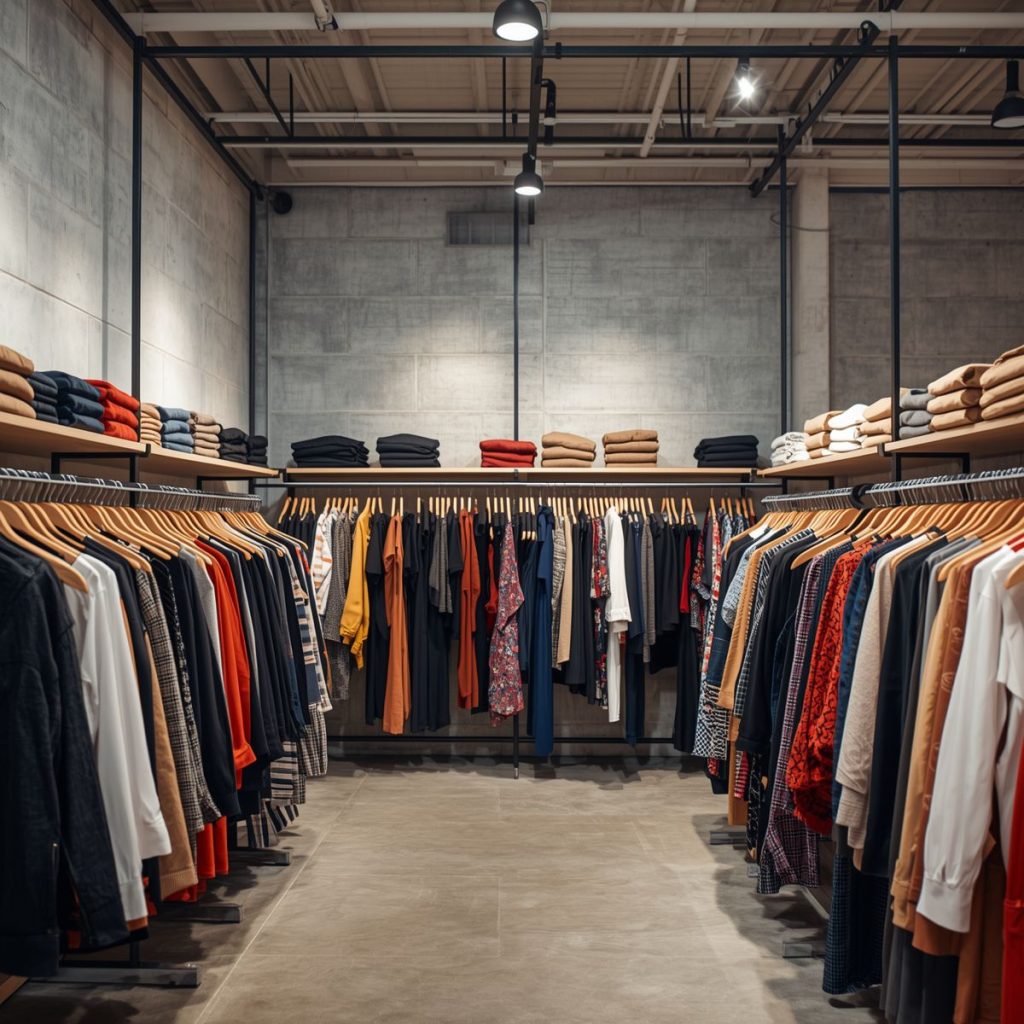

Fashion retail in Australia is tough. Margins are tight. Rent is high. Customer expectations are higher. Still, the retailers who buy bulk wholesale womens clothing consistently outperform those who rely on single-unit buying. A 2023 IBISWorld report found that Australian clothing retailers who source wholesale spend 38% less on stock per unit. That difference determines whether a boutique is profitable or not. Bulk buying is not just a tactic. It is the foundation of retail math that actually works.
Why Does Bulk Buying Give Retailers a Real Competitive Edge?
Unit cost drops when you buy more. That is simple economics. A retailer buying 5 units of a dress pays $55 each. The same retailer buying 50 units pays $28 each. On a $99 retail price, that is the difference between a 44% margin and a 72% margin. Those extra percentage points cover rent, staff, and marketing. Buying in bulk does not just save money. It creates breathing room in the business.
What Types of Womens Clothing Work Best for Bulk Wholesale Orders?
Basics always move. Plain tees, leggings, and casual dresses in neutral colors sell in every season. Event wear like cocktail dresses and jumpsuits has shorter windows but higher margins. Activewear is the fastest-growing category in Australian women’s fashion right now, up 19% year-on-year according to Statista 2024. If you are unsure where to start, buy basics in bulk and test trend pieces in smaller runs.
How Does Bulk Wholesale Pricing Work in Australia?
Wholesale tiers are standard. Most Australian suppliers use three pricing levels. Level one is for orders of 20 to 50 units. Level two covers 51 to 150 units. Level three applies above that. Each tier brings the per-unit cost down. Some suppliers also offer seasonal discounts on pre-orders placed 8 to 12 weeks before delivery. That is worth tracking if you plan your buying calendar properly.
Can Small Boutiques Really Compete Using Bulk Wholesale?
Yes. And many do. The key is buying bulk in select categories, not everything. A boutique with 400 square metres of floor space cannot stock 1,000 units across 50 styles. But it can stock 300 units across 15 curated styles bought at bulk pricing. That focus creates a cleaner store, a stronger brand identity, and better margins than trying to carry everything at retail prices.
What Should Retailers Look For in a Bulk Wholesale Supplier?
Stock reliability comes first. A supplier who runs out of popular styles mid-season costs you sales and customers. Ask suppliers about restock times before you commit. Lead times under 10 business days for restocks are acceptable. Anything longer is a problem. Also check whether the supplier offers exclusive styles to retail buyers, or whether the same dresses appear in every boutique on the strip.
Is Buying Bulk Wholesale Clothing Online Reliable for Australian Retailers?
It is, if you use Australian-registered suppliers with verifiable track records. Check Google reviews. Look at their social media activity. Active suppliers post new arrivals regularly. Dormant accounts are a warning sign. Also confirm whether the website shows real-time stock counts. Nothing wastes time like ordering 80 units and finding out 40 are on backorder after the invoice is paid.
What Are the Biggest Mistakes Retailers Make With Bulk Wholesale Buying?
Overbuying one style is the most expensive mistake. If 80 units of a single dress do not sell, you are left with a markdown that kills the margin you worked to build. The second mistake is ignoring size ratios. Australian women’s sizing follows a curve. Sizes 10 to 14 outsell 6 and 18 by a large margin in most boutique categories. Buy accordingly and you reduce dead stock significantly.
Frequently Asked Questions
How much can bulk buying save a fashion retailer?
Australian clothing retailers who source wholesale spend 38% less on stock per unit, according to a 2023 IBISWorld report cited in the article. For example, buying 50 units of a dress at $28 each instead of 5 units at $55 each lifts the margin on a $99 retail price from 44% to 72%.
Which womens clothing items work best for bulk wholesale orders?
Basics always move: plain tees, leggings, and casual dresses in neutral colors sell in every season. Activewear is the fastest-growing category in Australian women’s fashion, up 19% year-on-year according to Statista 2024.
How do wholesale pricing tiers work in Australia?
Most Australian suppliers use three pricing levels: 20 to 50 units, 51 to 150 units, and above 150 units, with each tier bringing the per-unit cost down. Some suppliers also offer seasonal discounts on pre-orders placed 8 to 12 weeks before delivery.
What should retailers check before choosing a bulk wholesale supplier?
Stock reliability comes first, with restock lead times under 10 business days considered acceptable. Retailers should also check whether the supplier offers exclusive styles, shows real-time stock counts, and is Australian-registered with verifiable reviews and social media activity.
What are the biggest mistakes retailers make with bulk wholesale buying?
Overbuying one style is the most expensive mistake, since unsold units lead to markdowns that erase margins. The second mistake is ignoring size ratios: sizes 10 to 14 outsell sizes 6 and 18 by a large margin in most boutique categories.
Also Read: How to Style a Blazer: 9 Outfits for Work, Casual Days, and Evenings
Also Read: What Should Businesses Consider When Choosing a Packaging Supplier?



Pingback: What Should Businesses Consider When Choosing a Packaging Supplier? - VentsMillion