
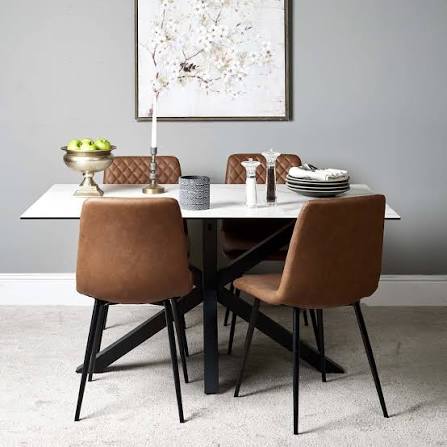

The dining table is the most used piece of furniture in your home. It handles breakfast, homework, dinner parties, and everything in between. Choosing the wrong one costs you money and frustration. The best dining tables are not the ones that look the best in photos. They are the ones that work for your actual life. The Australian furniture market sees dining tables among the top three purchased items per household, and buyers consistently report regret when they prioritize style over function.
How Much Space Do You Actually Need?
This is where most people go wrong. They measure the room and forget to measure for chairs pulled out.
Allow at least 36 inches between the table edge and the wall or any other furniture. That gives a seated person room to push back and stand. 48 inches is better if you have the space.
Each seat needs 24 inches of table width to feel comfortable. A six-person table should be at least 72 inches long. Eight people need at least 96 inches.
Standard dining table height is 30 inches. Chair seat height should be 17 to 19 inches to match. This is not a preference. It is ergonomics. A mismatch causes back and shoulder strain during long meals.
What Shape Works for Your Dining Room?
Shape changes how a room feels and how people interact around the table.
Round tables are the best for conversation. No one sits at the head. Everyone faces everyone. They work brilliantly for four to six people. Beyond six, round tables get too wide to pass food comfortably.
Rectangular tables scale up. They handle eight, ten, twelve people with ease. They suit long, formal dining rooms. They also feel more traditional.
Oval tables are underused and underrated. They combine the visual softness of a round table with the length of a rectangle. They seat more people than round and feel less stiff than rectangular.
Square tables work for four people in a compact space. They feel balanced and equal. Push two together and you have a table for eight.
Which Material Holds Up Over Time?
A dining table gets spilled on, scratched, and wiped down hundreds of times a year. Material durability is not optional.
Solid hardwood like oak, ash, or walnut is the most durable option. Oak is particularly popular in Australia. It resists dents, takes stain well, and can be refinished after years of use. A solid oak table bought today can outlast you.
Engineered wood costs less and looks fine new. But it does not sand or refinish. Once the surface chips, it stays chipped.
Marble is heat resistant and visually stunning. But it is porous. Acidic foods like lemon juice or vinegar etch the surface. It also cracks under heavy impact.
Ceramic tabletops are increasingly popular. They resist heat, stains, and scratches better than most other materials. A 2023 Furniture Today report noted a 31% increase in ceramic top dining table sales globally. They do not need sealing and wipe clean easily.
How Many People Should It Seat?
Buy for the life you live, not just the one you want.
If you usually eat with two or three people but host eight at Christmas, an extendable table is the right answer. Extension leaves allow you to go from a compact everyday table to a full entertaining surface in under two minutes.
Butterfly extension mechanisms fold and store inside the table. Leaf extensions store separately. Butterfly extensions are more convenient. Separate leaves offer more flexibility in size increments.
If you entertain regularly, seat your table for the full number. Extending and collapsing tables repeatedly wears the mechanism over time.
What Base Style Fits Your Room?
The base is not decoration. It determines how many people can sit comfortably and how the table feels in the room.
Four-leg tables feel traditional and stable. The legs can interfere with corner seating. If you push three chairs along each side and one at each end, corner seaters may feel cramped.
Pedestal bases sit on a single central column. No legs means no restrictions on where chairs go. This is the best option for maximizing seating flexibility. The trade-off is stability with very large tables.
Trestle bases use two supports at each end connected by a central beam. They are stable, look architectural, and work especially well with long farmhouse-style tables.
Does Finish Affect Your Maintenance Routine?
Yes, significantly.
Oiled wood surfaces feel natural and warm. They require re-oiling every six to twelve months. Without maintenance, the wood dries and loses protection. With it, the table improves in character over time.
Lacquered surfaces are sealed and require almost no maintenance. Spills wipe off easily. But if the lacquer chips or cracks, refinishing it yourself is difficult and often requires professional work.
Whitewash or painted finishes look fresh but show wear quickly in high-use households. They suit spaces where the table is used lightly or changed out every few years.