

Travel offers countless opportunities to discover new flavors, cooking methods, and local ingredients. While many travelers remember famous landmarks and beautiful scenery, some of the most lasting memories come from sharing meals that reflect a region’s unique culinary identity. Exploring seafood traditions in coastal destinations often introduces visitors to techniques and ingredients they later bring into their own kitchens.
Every coastal community has developed its own way of preparing fresh catches based on local resources and generations of experience. Some cultures favor simple grilling to preserve natural flavors, while others create rich stews or delicate steamed dishes. These traditions demonstrate how local knowledge shapes cooking practices and encourages appreciation for ingredients that may seem unfamiliar at first glance.
Visiting seafood markets and family-owned restaurants gives travelers the chance to observe preparation methods and discover overlooked ingredients, such as the edible parts of a lobster, that local cooks value for their flavor and texture. These experiences often inspire home cooks to become more adventurous while reducing waste and making better use of premium seafood ingredients.
Learning Through Local Markets
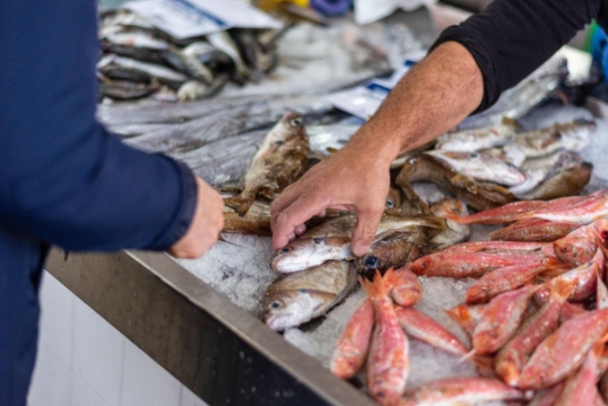
Fresh markets provide valuable insight into regional food culture. Vendors often display a wide variety of fish, shellfish, and seasonal catches that differ from those commonly found in supermarkets. Observing how locals shop and ask questions about preparation methods can become an educational experience that extends beyond purchasing food.
Many travelers discover unfamiliar species simply by talking with fishmongers and watching experienced customers make their selections. Understanding local preferences helps visitors appreciate the diversity of seafood available around the world while gaining confidence in preparing similar dishes at home.
Traditional Cooking Methods
Cooking techniques passed down through generations often emphasize simplicity rather than complexity. Grilling over charcoal, steaming with aromatic herbs, slow simmering, and light pan searing allow fresh seafood to remain the centerpiece of the meal. Regional recipes frequently highlight natural flavors instead of masking them with heavy sauces.
Home cooks who adopt these traditional methods often find that quality ingredients require fewer seasonings. Fresh herbs, citrus, garlic, and olive oil can enhance seafood without overpowering its delicate character.
Respecting Every Ingredient
Many traditional fishing communities developed cooking practices that made full use of valuable catches. This approach reflected both economic necessity and respect for natural resources. Rather than discarding usable portions, cooks learned creative ways to incorporate different textures and flavors into soups, stocks, sauces, and side dishes.
Modern sustainability efforts echo these long-standing traditions by encouraging thoughtful ingredient use and reducing unnecessary food waste. Travelers who observe these practices often return home with a greater appreciation for mindful cooking.
Bringing Travel Experiences Home
One of the greatest rewards of culinary travel is the opportunity to recreate memorable meals. Home cooks may not have access to identical ingredients, but they can adapt techniques and flavor combinations learned during their journeys. Seasonal vegetables, fresh herbs, and locally available seafood can capture the spirit of a favorite destination while supporting regional producers.
Cooking inspired by travel also creates opportunities to share stories and experiences with family and friends. Meals become more meaningful when they carry memories of places visited and lessons learned along the way.
Building Culinary Confidence
Trying unfamiliar dishes while traveling encourages curiosity and reduces hesitation in the kitchen. Many people discover that ingredients they once avoided become approachable after seeing skilled cooks prepare them with confidence. Exposure to different food cultures broadens culinary perspectives and expands personal cooking skills.
This willingness to experiment often leads to more creative home meals. Exploring different preparation styles, ingredient combinations, and presentation techniques allows cooks to develop their own style while respecting traditional influences.
Sustainability Through Education
Understanding where food comes from encourages more responsible consumption. Travelers who visit fishing communities gain insight into seasonal harvesting, conservation practices, and the challenges faced by local producers. These experiences often influence purchasing decisions long after returning home.
Choosing responsibly sourced seafood and using ingredients thoughtfully supports both environmental sustainability and culinary tradition. Education remains one of the most effective ways to encourage lasting changes in cooking habits.
Celebrating Regional Food Culture
Regional seafood traditions reflect history, geography, and community identity. Every recipe tells a story about local ingredients, family customs, and generations of shared knowledge. Travelers who embrace these traditions often develop a deeper appreciation for the people and places behind each meal.
Bringing those lessons into the home kitchen creates meaningful connections between travel and everyday life. Preparing seafood with greater confidence, respecting ingredients, and exploring traditional techniques allow home cooks to continue their culinary journeys long after returning home. Through curiosity and practice, memorable travel experiences become lasting skills that enrich both cooking and dining for years to come.