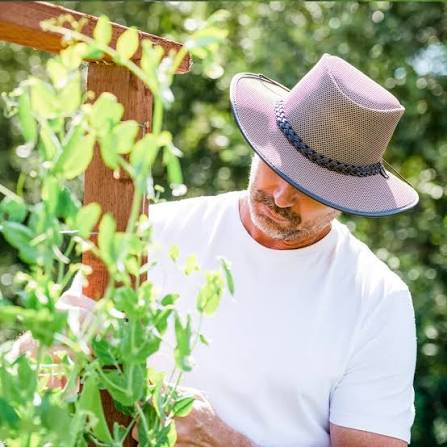

The sun does not take a day off. It burns skin in winter, spring, summer, and fall. Most people only think about sun damage in July. That is a mistake. Ninety percent of skin cancers come from UV exposure, and that exposure adds up every single day you step outside without cover. A good hat is not a fashion choice. It is a tool. If you want to explore our wide brim hats, you are looking at one of the simplest fixes for a problem that builds quietly for years.
Why does brim size actually matter?
Three inches is the number to remember. A hat with a brim under three inches barely covers your nose. Dermatologists say a three inch brim shades your face, ears, neck, and the top of your head all at once. That is four danger zones covered by one piece of fabric. Most baseball caps fail this test completely. They protect your forehead and leave your ears and neck wide open. Skin cancer loves ears. It shows up there often because nobody thinks to protect them.
What does UPF 50 really block?
UPF stands for Ultraviolet Protection Factor. A UPF 50 hat blocks 98 percent of UV rays. Only two percent gets through the fabric. That is the gold standard set by the Skin Cancer Foundation. Anything below UPF 30 is too weak to count as real protection. Tight weave fabric is the secret here. Loose straw hats look nice but let light slip through tiny gaps. Hold a hat up to a lamp. If you see light shining through the weave, UV rays are getting through too.
Does material choice change the protection level?
Yes, and most people get this backwards. Wet fabric loses its protective power. A hat that performs great dry can drop in performance once it is soaked in sweat or rain. This matters if you hike, fish, or garden for hours. Dense cotton and tightly woven synthetic blends hold up better under sweat than thin straw. Dark colors also absorb more UV than light colors, though they trade that for extra heat. There is always a tradeoff, and a good hat balances both.
Who actually needs this the most?
Outdoor workers face the highest risk by far. Landscapers, construction crews, and farmworkers spend six or more hours a day under direct sun. Studies on outdoor laborers found that hat use stayed low even when people understood the risk. Heat discomfort beat out cancer prevention every time. That is a real and human problem. The fix is not lecturing people about cancer risk. The fix is making hats that breathe well enough that nobody wants to take them off.
How often should a hat get replaced?
Fabric breaks down. Sun exposure, washing, and folding all wear down the weave over time. A hat that protected you well two years ago might not protect you the same way today. Check for thinning fabric, especially at the crown and brim edges. If the color has faded badly, the UV blocking fibers have likely degraded too. Treat a sun hat like sunscreen. It has a shelf life, and ignoring that shelf life defeats the entire purpose of wearing one.
A wide brim hat is the cheapest insurance policy your skin will ever get. It costs less than one dermatologist visit and works every single time you put it on, with zero reapplication needed.