
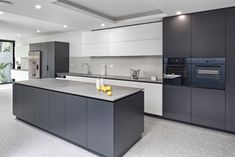

Your kitchen is not just a room. It is where you cook, eat, talk, argue, laugh and live. Most people spend an average of 1 hour and 12 minutes in the kitchen every single day. So the design needs to fit your real life, not a magazine cover. That is exactly what custom luxury kitchens are built to do. They are designed around how you actually move, cook and use space. Not around what looks good in a showroom. This article breaks down the real decisions that matter when designing a kitchen built for your lifestyle.
What Does ‘Lifestyle-Driven Design’ Actually Mean?
It means the kitchen works for you, not the other way around. A professional chef at home needs heavy-duty gas burners, wide prep areas and serious ventilation. A parent with three kids needs easy-clean surfaces, open sightlines to the living room and smart storage for snacks. These are not the same kitchen. They should not look the same either. Lifestyle-driven design starts with questions, not finishes. How many people cook at once? Do you entertain? Do you work from the kitchen? The answers shape every single choice.
Why Does Storage Design Matter More Than People Think?
Bad storage is the number one reason people hate their kitchens. A 2023 Houzz Kitchen Trends study found that 45% of renovators listed storage as their top priority. And yet most standard kitchens are built with generic cabinet sizes that waste space. Custom design fixes this. Pull-out pantry columns, deep drawer systems, built-in spice racks and appliance garages all serve specific needs. When storage is designed around your actual grocery habits and cooking tools, you stop fighting the space. You start using it.
Which Materials Hold Up in Real Daily Use?
Not all luxury looks last. Marble benchtops are stunning but they stain easily. Matte black fixtures show fingerprints fast. The best choice depends on how hard you use your kitchen. For heavy daily cooking, engineered stone is smarter than natural marble. It is non-porous, heat resistant and requires almost no maintenance. Timber veneer cabinetry adds warmth but needs proper sealing and humidity control. High-gloss lacquer looks sharp but scratches in high-traffic areas. Luxury is not just about how something looks on day one. It is about how it looks three years in.
How Do You Balance Aesthetics With Practicality?
You stop treating them as opposites. The most well-designed kitchens are both beautiful and brutally functional. An island bench can double as a prep zone, dining space and breakfast bar. Integrated appliances keep the visual clean without hiding what you need. Concealed rangehoods reduce clutter. Built-in bins keep waste out of sight. Every aesthetic decision should earn its place by doing something useful. If it just looks good but slows you down, it is bad design dressed in expensive finishes.
What Role Does Lighting Play in a Luxury Kitchen?
Huge role. And it is almost always underestimated. The American Lighting Association says layered lighting is one of the top five most impactful upgrades in any room. In a kitchen, you need at least three layers. Task lighting over prep areas and cooktops. Ambient lighting for the overall room. Accent lighting to highlight architecture or open shelving. Under-cabinet LED strips are now standard in high-end builds. Dimmable circuits let you shift from work mode to dinner party mode in seconds. Lighting is not decoration. It is function.
Is an Open Plan Kitchen Always the Right Choice?
No. Open plan is popular but not universal. It works brilliantly for families who want connected living spaces. It fails for people who cook complex meals and want to contain smells, steam and noise. Some of the best luxury kitchens include partial walls, glass partitions or transitional zones that give the feeling of openness without full exposure. Think about what you actually want when you cook. Do you want to chat with guests while you work, or do you want quiet concentration? The answer tells you what layout actually fits your life.