

A crab roll is a sandwich made with sweet, tender crab meat lightly dressed with mayonnaise and seasonings, served in a soft, buttered split-top bun. It is the coastal cousin of the lobster roll: simpler, usually less expensive, and just as satisfying when the crab is fresh and the bun is warm and crisp at the edges. If you want a quick answer, this is it: use good lump crab, dress it lightly, do not overmix it, and serve it right away in a toasted bun.
In this guide, you will learn what a crab roll is, how the Maine and Connecticut styles differ, which crab to buy, how to make a crab roll at home in about 15 minutes, and how to store, serve, and vary it. Whether you are making lunch for two or sandwiches for a summer gathering, the method below works every time.
What Is a Crab Roll?
A crab roll is a seafood sandwich built around crab meat. The classic version uses lump crab meat tossed with a small amount of mayonnaise, lemon juice, celery, and herbs, then piled into a New England-style hot dog bun that has been buttered and toasted on both sides. The bun matters as much as the filling: a soft, slightly sweet split-top roll holds the crab without falling apart and adds a warm, buttery contrast to the cool, delicate filling.
Crab rolls are popular along the East Coast of the United States, especially in New England and the Mid-Atlantic, where blue crab and Dungeness crab are local favorites. They are also common at seafood shacks, farmers markets, and backyard cookouts. Unlike a crab cake, which is fried and bound with egg and breadcrumbs, a crab roll keeps the crab front and center. There is no heavy batter, no frying, and no strong sauce to hide the flavor of the crab.
Most crab rolls are served cold or at room temperature, with the filling chilled and the bun warm. That hot-cold contrast is part of the appeal. Some versions are served warm, with the crab gently heated in butter, and those are closer to a Connecticut-style lobster roll. Both are delicious, and the best choice depends on the crab you have and the meal you want.
Maine vs. Connecticut Crab Rolls
The two best-known styles of crab roll follow the same split as lobster rolls. Maine-style rolls are cold, mayonnaise-based, and served with a little celery and lemon. Connecticut-style rolls are warm, butter-based, and served without mayonnaise. Neither is more correct than the other, but they taste quite different, so it helps to know which one you are making before you start.
| Feature | Maine-Style Crab Roll | Connecticut-Style Crab Roll |
|---|---|---|
| Temperature | Cold or chilled | Warm |
| Main dressing | Mayonnaise | Melted butter |
| Typical additions | Celery, lemon, chives, Old Bay | Lemon, chives, a little salt |
| Flavor | Creamy, bright, and fresh | Rich, buttery, and delicate |
| Best for | Hot days, picnics, and lunch | Cooler evenings and special occasions |
If you are making crab rolls for the first time, start with the Maine style. It is more forgiving, it holds up better if the sandwiches sit for a few minutes, and the mayonnaise helps the filling stay together in the bun. Once you are confident with the basic method, try the Connecticut style with warm butter and a squeeze of lemon for a richer result.
The Best Crab for a Crab Roll
The crab you choose makes the biggest difference to the finished sandwich. Lump crab meat is the best all-round choice: it has large, tender pieces, a sweet flavor, and a texture that holds up in a sandwich. Jumbo lump is even better, but it is more expensive and best saved for occasions when you want the crab to be the star. Backfin crab is smaller and flakier, and it works well when mixed with lump crab to stretch a more expensive purchase.
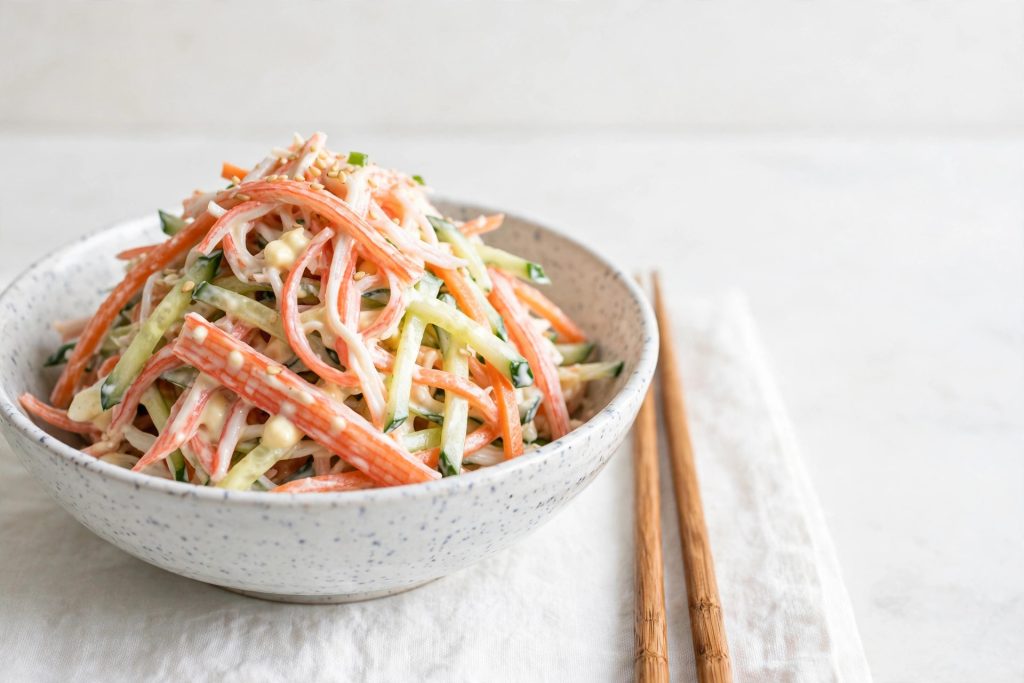
Fresh crab is ideal, but good-quality pasteurized crab meat from the refrigerated seafood section is a reliable alternative and is what most home cooks use. Avoid canned crab that has been sitting on a shelf for a long time if you can, because it tends to be softer and less sweet. If you are using frozen crab, thaw it in the refrigerator overnight and drain it well before you use it. If you like crab in a lighter, chilled form, our kani salad is another easy way to enjoy sweet crab meat.
Always pick through the crab meat for shell fragments before you mix the filling, even if the package says it has been picked over. Do this gently, with your fingers, so you do not break the lumps into shreds. A few minutes of careful picking is worth it: nobody wants to bite into a piece of shell in an otherwise perfect sandwich.
How Much Crab Do You Need?
Plan on about 4 ounces, or roughly 115 grams, of crab meat per roll for a generous sandwich. For four rolls, that is 1 pound of crab meat. For a lighter lunch, 3 ounces per roll is enough, especially if you are serving a side dish. It is better to buy a little more crab than you think you need than to stretch the filling with extra mayonnaise or celery, because the crab is the point of the sandwich.
Ingredients You Will Need
- 1 pound lump crab meat, picked over for shell
- 4 split-top hot dog buns, preferably New England-style
- 1/3 cup mayonnaise
- 1 tablespoon lemon juice, plus lemon wedges to serve
- 1 celery stalk, finely diced
- 2 tablespoons chopped chives or green onion
- 1 teaspoon Dijon mustard
- 1/2 teaspoon Old Bay seasoning
- Salt and black pepper, to taste
- 2 tablespoons butter, for toasting the buns
- Lettuce leaves, optional, for lining the buns
That list is for a Maine-style roll. For a Connecticut-style roll, leave out the mayonnaise, celery, and mustard, and use 4 tablespoons of melted butter instead. Warm the crab gently in the butter, season with lemon and salt, and spoon it into the toasted buns.
How to Make a Crab Roll
This method takes about 15 minutes, plus a few minutes to chill the filling if you have time. The key steps are to keep the crab in large pieces, dress it lightly, and toast the buns just before serving.
Step 1: Prepare the Crab
Put the crab meat in a large bowl and pick through it for shell. Break up any very large lumps only if you need to, and otherwise leave the pieces whole. Drain any liquid from the container and pat the crab very gently if it looks wet. Wet crab makes a soggy filling, so this step matters more than it seems.
Step 2: Make the Dressing
In a small bowl, whisk together the mayonnaise, lemon juice, Dijon mustard, Old Bay, and a pinch of salt and pepper. Taste it before you add it to the crab: it should be bright and lightly seasoned, not sharp or salty. You can always add more lemon or seasoning later, but you cannot take it away once it is mixed in.
Step 3: Combine Gently
Add the celery and chives to the crab, then spoon the dressing over the top. Fold everything together with a large spoon or a spatula, turning the mixture over rather than stirring it in circles. Stop as soon as the crab is coated. Overmixing breaks the lumps and turns the filling into a paste, which is the most common mistake in a crab roll.
Step 4: Toast the Buns
Melt the butter in a large skillet over medium heat. Place the buns on their sides in the pan and toast them for 1 to 2 minutes per side, until they are golden and crisp at the edges. If you do not have split-top buns, use regular hot dog buns and toast the insides instead. A crisp bun is essential: it keeps the filling from soaking through and adds texture to every bite.
Step 5: Fill and Serve
If you like, line each bun with a lettuce leaf, then divide the crab filling evenly among the buns. Serve immediately with lemon wedges and a sprinkle of extra chives. Do not let the filled rolls sit for long, because the bun will soften and the filling will warm up. If you need to make them ahead, keep the filling chilled and the buns separate, and assemble them just before serving.
Tips for the Best Crab Roll
Use less mayonnaise than you think you need. The dressing should coat the crab, not drown it. Start with the amount in the recipe, then add a teaspoon at a time if the mixture looks dry. The same rule applies to lemon juice and seasoning: add a little, taste, and adjust.
Chill the filling for at least 20 minutes if you have time. Chilling lets the flavors come together and keeps the roll refreshing, especially on a warm day. Keep the buns warm and the filling cold, and the contrast will make the sandwich taste much better than if everything is at the same temperature.
Do not add wet ingredients such as tomato or cucumber to the filling itself, because they release water and make the roll soggy. If you want extra crunch, serve those on the side instead. A little celery gives you all the crunch you need without the moisture.
Crab Roll Variations
Once you know the basic recipe, it is easy to change it to suit your taste. Add a pinch of cayenne or a few drops of hot sauce for heat, or a spoonful of chopped dill for a fresher flavor. Some cooks add a little finely diced red onion, but use it sparingly, because raw onion can overpower the crab.
For a lighter roll, replace half the mayonnaise with Greek yogurt. The flavor will be tangier and the filling will be a little less rich, but it still works well. For a richer roll, add a tablespoon of melted butter to the dressing, or use a brioche bun instead of a hot dog bun. Avocado is another popular addition, although it changes the texture, so add it at the last minute and keep the pieces large.
If you want a warm crab roll, heat the crab gently in butter with lemon and chives, and skip the mayonnaise and celery. This Connecticut-style version is best eaten straight away, while the crab is still warm and the butter is glossy.
What to Serve With Crab Rolls
Crab rolls are a complete meal on their own, but a simple side dish makes them feel like a proper lunch or dinner. Potato chips, coleslaw, and a green salad are the classic choices, and they all work because they add crunch and freshness without competing with the crab. Corn on the cob, pickles, and a light cucumber salad are also good options in summer.
For drinks, lemonade, iced tea, and a cold lager all pair well with a crab roll. If you are serving wine, a dry white wine such as Sauvignon Blanc or Pinot Grigio is a safe choice. Keep the rest of the meal simple and let the crab roll be the main event.
How to Store Crab Rolls
Crab rolls are best eaten fresh, but you can store the filling separately in the refrigerator for up to two days. Keep it in an airtight container and do not fill the buns until you are ready to serve. Leftover filled rolls do not keep well, because the bun becomes soggy, so it is better to store the components separately.
Do not freeze a finished crab roll, and do not freeze the dressed filling, because the mayonnaise will separate when it thaws. Plain, undressed crab meat can be frozen, but it is better to use it fresh or refrigerated if you can. If you have leftover crab, use it the next day in a salad, an omelet, or a pasta dish rather than making another batch of rolls.
Frequently Asked Questions
What is a crab roll made of?
A crab roll is made of crab meat, usually lump crab, lightly dressed with mayonnaise, lemon juice, celery, and herbs, and served in a buttered, toasted split-top bun. The Maine style is cold and mayonnaise-based, while the Connecticut style is warm and butter-based.
What kind of crab is best for crab rolls?
Lump crab meat is the best choice for most crab rolls because it has large, tender pieces and a sweet flavor. Jumbo lump is even better if your budget allows it, and backfin crab works well when mixed with lump crab. Fresh or pasteurized refrigerated crab meat is better than shelf-stable canned crab.
Can I make crab rolls ahead of time?
Yes, you can make the filling up to a day ahead and keep it chilled in an airtight container. Toast the buns and fill the rolls just before serving, so the buns stay crisp and the filling stays cold. Do not assemble the rolls hours in advance.
Are crab rolls served hot or cold?
Most crab rolls are served cold, with chilled crab filling in a warm, toasted bun. Connecticut-style crab rolls are the exception: they are served warm, with crab heated gently in butter. Both styles are traditional, and the cold Maine style is the more common one.
What is the difference between a crab roll and a lobster roll?
A crab roll and a lobster roll are made in the same way, with the same kind of bun and the same Maine or Connecticut dressing, but a crab roll uses crab meat and a lobster roll uses lobster meat. Crab is usually sweeter and more delicate, and crab rolls are often less expensive than lobster rolls.
A good crab roll is simple: great crab, a light hand with the dressing, and a warm, buttered bun. Get those three things right, and you do not need anything fancy. Make the filling, toast the buns, fill them generously, and serve them right away while the contrast between the cool crab and the warm bun is at its best.