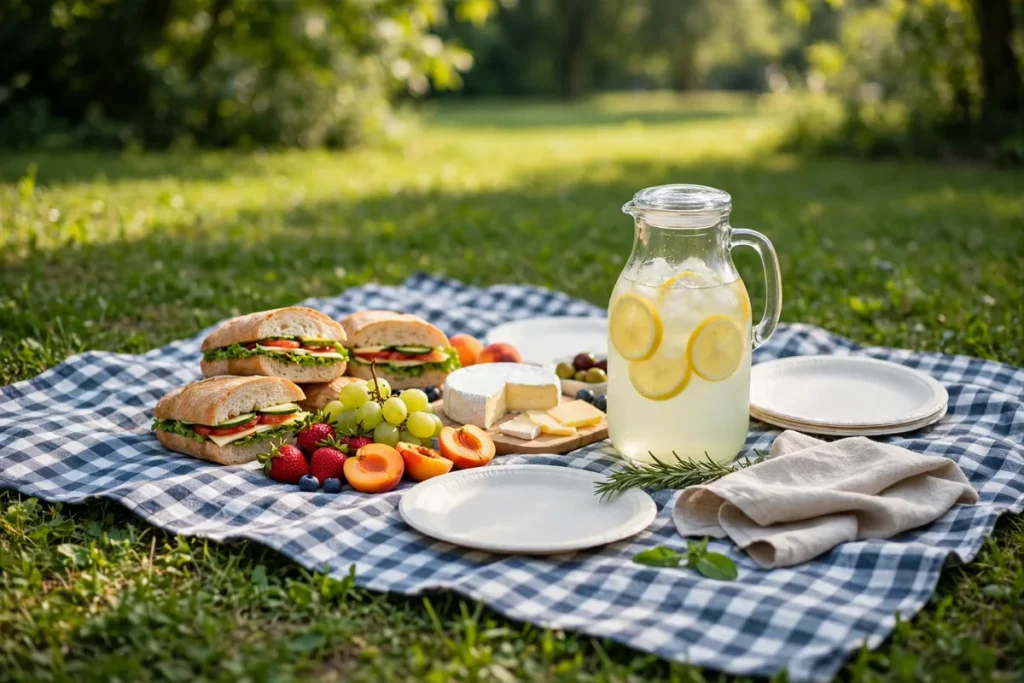

Finding good gluten free snacks should not feel like a compromise. Whether you have coeliac disease, a gluten sensitivity, or you simply feel better without wheat, barley, and rye, there are now more tasty, filling, and genuinely convenient options than ever before. The trick is knowing which snacks are naturally gluten free, which packaged snacks are safe, and which ones only look safe on the front of the packet.
In this guide you will find more than 35 gluten free snacks, grouped by craving, occasion, and dietary need. You will also learn how to read labels with confidence, avoid hidden gluten, and build a snack stash that works at home, at work, at school, and on the road.
What Counts as a Gluten Free Snack?
A snack is gluten free when it contains no wheat, barley, rye, or their derivatives, and when it has not picked up gluten through cross-contact during manufacturing or preparation. In the United States, a product labelled “gluten-free” must contain less than 20 parts per million of gluten. That is the standard set by the U.S. Food and Drug Administration, and it is a useful benchmark when you are comparing brands.
Many whole foods are naturally gluten free: fresh fruit, vegetables, nuts, seeds, eggs, plain meat and fish, rice, corn, potatoes, and plain dairy. The risk usually comes from sauces, coatings, flavourings, and shared equipment, not from the food itself. A plain baked potato is gluten free. A potato covered in a wheat-based gravy is not.
Gluten Free vs. Wheat Free
These terms are not the same. “Wheat free” means the product contains no wheat, but it may still contain barley, rye, or spelt, all of which contain gluten. If you need to avoid gluten completely, look for the words “gluten-free” or “certified gluten-free” on the label, and check the ingredients list as well.
Quick and Easy Gluten Free Snacks at Home
These are the snacks to reach for on a busy weekday, when you want something in under five minutes and you do not want to cook a meal.
- Apple slices with peanut butter: crisp, sweet, and filling, with protein and healthy fats to keep you going.
- Greek yoghurt with berries and honey: high in protein and easy to make ahead in small pots.
- Hard-boiled eggs with salt and paprika: portable, cheap, and surprisingly satisfying.
- Rice cakes with avocado and a squeeze of lime: add chilli flakes or an egg for extra staying power.
- Cheese and grapes: a classic pairing that needs no preparation at all.
- Hummus with carrot, cucumber, and pepper sticks: chickpea-based, fibre-rich, and easy to pack.
- Popcorn with sea salt: plain popcorn is naturally gluten free, but check flavoured varieties for malt flavouring and wheat starch.
- Cottage cheese with pineapple or peach: sweet, creamy, and high in protein.
Sweet Gluten Free Snacks
When you want something sweet, gluten free does not have to mean a dry, crumbly biscuit. These options are widely available and genuinely enjoyable.
- Fresh fruit: bananas, berries, mango, melon, and grapes are all naturally gluten free. For seasonal ideas, see our guide to when cherry season is in the US so you can buy cherries at their best.
- Dark chocolate: most plain dark chocolate is gluten free, but check for biscuits, wafers, and malt in filled bars.
- Rice pudding and yoghurt pots: check the label, but plain versions are usually safe.
- Gluten free brownies and cookies: look for certified gluten-free bakery ranges, or bake a batch with a gluten free flour blend and freeze them in portions.
- Trail mix: mix nuts, seeds, dried fruit, and dark chocolate chips at home so you control every ingredient.
- Frozen banana bites: dip banana slices in melted dark chocolate, freeze, and keep them in a tub for a cool treat.
Salty and Savoury Gluten Free Snacks
Savoury snackers have plenty of choice too, as long as you check coatings and flavourings.
- Nuts and seeds: almonds, cashews, walnuts, pumpkin seeds, and sunflower seeds. Buy plain or salted varieties rather than coated or honey-roasted mixes, which can contain wheat flour.
- Corn tortilla chips with salsa or guacamole: corn tortillas are naturally gluten free, unlike flour tortillas. If you buy tortillas for wraps, learn how to store them properly in our guide to freezing tortillas.
- Roasted chickpeas: toss with olive oil, smoked paprika, and garlic, then roast until crisp.
- Cheese straws made with gluten free flour: a good option for parties and lunchboxes.
- Rice paper rolls: fill with prawns, vegetables, and herbs for a light, fresh snack.
- Olives and pickles: naturally gluten free, salty, and good with cheese and cold meats.
High-Protein Gluten Free Snacks
Protein helps a snack keep you full for longer, which matters if you are snacking between meals or after exercise. Good high-protein gluten free snacks include boiled eggs, Greek yoghurt, cottage cheese, edamame with sea salt, beef or turkey jerky labelled gluten-free, tuna pouches, cheese sticks, and a handful of nuts with a boiled egg. Protein bars can work too, but read the label carefully: many bars use wheat protein, malt syrup, or oats that are not certified gluten free.
Gluten Free Snacks for Kids and Lunchboxes
School snacks need to be safe, portable, and appealing enough that children will actually eat them. Try fruit pouches, cheese sticks, popcorn, rice cakes with sunflower seed butter, yoghurt tubes, banana muffins made with gluten free flour, grapes, cucumber sticks, and small packs of dried mango. Always tell the school about a gluten free diet, and pack snacks in clearly labelled containers so they do not get mixed up with other children’s food.
Gluten Free Snacks for Travel and Work
Travel is when gluten free snacking gets hardest, because you cannot always read a label or ask a question. Pack shelf-stable snacks in advance: nuts, dried fruit, rice cakes, popcorn, protein bars labelled gluten-free, and fruit. For picnics and road trips, plan ahead with portable foods that travel well, as in our guide to foods to have at a picnic. Keep snacks in a separate bag, bring wipes, and if you are flying, check the airline’s rules for bringing food through security.
Best Store-Bought Gluten Free Snacks
You do not need a specialist shop for every snack. Most supermarkets now have a dedicated gluten free aisle, as well as naturally gluten free foods in the main aisles. Look for certified gluten-free crackers, pretzels, granola bars, cookies, and breadsticks, and compare brands on price, portion size, and ingredients. Some gluten free products are high in sugar or low in fibre, so a snack that is gluten free is not automatically a healthy snack. Check the nutrition label for sugar, salt, and fibre, and treat very sweet snacks as occasional treats rather than everyday staples.
How to Read a Gluten Free Label
Start with the ingredients list, then look for allergen statements such as “contains wheat” and “may contain gluten.” Be cautious with malt, malt vinegar, soy sauce (unless it is tamari, which is usually gluten free), modified food starch from an unknown source, and oats unless they are certified gluten-free oats. When in doubt, contact the manufacturer or choose a certified product instead.
Gluten Free Snack Ideas by Diet
Dairy Free and Gluten Free
Try fruit, nuts, seeds, popcorn, hummus, roasted chickpeas, rice cakes with avocado, and dairy-free yoghurt. Many dark chocolates are dairy free as well as gluten free, but check for milk in the ingredients.
Vegan and Gluten Free
Good vegan gluten free snacks include fruit, vegetables with hummus, nuts, seeds, edamame, rice cakes, popcorn, and oat-free granola made with certified gluten free oats.
Low Sugar and Gluten Free
Choose nuts, cheese, eggs, vegetables, and plain yoghurt rather than dried fruit, sweet bars, and flavoured popcorn. Whole fruit is a better choice than fruit juice or dried fruit, which concentrate natural sugars.
Frequently Asked Questions About Gluten Free Snacks
What snacks are naturally gluten free?
Fresh fruit and vegetables, plain nuts and seeds, eggs, plain meat and fish, rice, corn, potatoes, plain dairy, and plain popcorn are all naturally gluten free. Always check sauces, coatings, and flavourings, which can add gluten.
Are oats gluten free?
Plain oats are often contaminated with wheat during growing and processing, so only oats labelled “certified gluten-free” are reliably safe for people with coeliac disease. The same applies to oat flour and oat-based snacks.
Is popcorn gluten free?
Plain popcorn is naturally gluten free. Flavoured popcorn may contain malt flavouring, wheat starch, or soy sauce, so read the label and choose plain or certified gluten-free varieties when you are unsure.
Can I eat crisps on a gluten free diet?
Many plain potato crisps are gluten free, but flavoured crisps can contain wheat, barley malt, or soy sauce. Check the ingredients list and allergen statement on every flavour, because the same brand can be safe in one flavour and unsafe in another.
What is the healthiest gluten free snack?
There is no single healthiest snack, but fruit with nuts, Greek yoghurt with berries, vegetables with hummus, and boiled eggs are strong choices. They combine protein, fibre, and healthy fats, and they keep you full without a large amount of added sugar or salt.
Conclusion
The best gluten free snacks are the ones that fit your life: filling enough to satisfy you, safe enough to trust, and easy enough to keep on hand. Start with naturally gluten free whole foods, add a few certified gluten free packaged snacks for busy days, and learn to read labels so you can spot hidden gluten. With a little planning, gluten free snacking can be varied, enjoyable, and far less stressful than it first looks.