
When is cherry season? In the United States, cherry season runs from mid-April to August. Sweet cherries ripen first in California in mid-April, the harvest moves north through Oregon and Washington in June and July, and tart cherries follow in Michigan from mid-June through August. Peak season is June and July, when cherries are cheapest, sweetest, and most plentiful.
When Is Cherry Season in the US?
Cherry season in the US is short — usually 12 to 14 weeks from the first California fruit to the last Washington harvest. Cherries ripen region by region as spring turns to summer, so the season is really a relay. California starts in mid-April, the Pacific Northwest takes over in June, and Michigan’s tart cherry harvest runs into late August. If you see fresh cherries in stores outside that window, they are usually imported from Chile or sold frozen or dried.
Cherry Season by Month
Use this table to plan a trip to the orchard or the farmers market. Dates can shift by a week or two each year depending on spring weather.
| Month | What is ripe | Where it comes from |
|---|---|---|
| April | Early sweet cherries (Brooks, Tulare) | California (Central Valley) |
| May | Sweet cherries (Bing, Coral Champagne) | California |
| June | Sweet cherry peak begins; tart cherries start | California, Oregon, Washington, Michigan |
| July | Sweet cherry peak; tart cherries | Washington, Oregon, Michigan, New York, Utah |
| August | Late sweet cherries; tart cherry peak | Washington (late), Michigan (tart) |
| September | Season over for fresh US cherries | Imports arrive November–February |
June and July are the months to remember. That is when the most varieties are available at once and prices drop. Early-season cherries in April and May cost more because the supply is smaller and comes mostly from California.
Cherry Season by Region
California
California’s season is the earliest and shortest: mid-April to early June, about six weeks. The first fruit comes from the Central Valley, with early varieties such as Brooks and Tulare. It is the shortest window, so early cherries cost more.
Pacific Northwest (Washington and Oregon)
Washington’s season runs from early June to late August, with the peak in the last week of June through early July. Oregon is similar, a little later. This is where most Bing and Rainier cherries come from, and it is home to the best U-pick orchards in the Yakima Valley and Hood River.
Michigan and the Great Lakes
Michigan grows about 75% of the tart cherries in the United States. Its sweet cherry season runs June through July, and tart cherries follow from mid-June through late August, centered on Traverse City and the National Cherry Festival held there each July.
Northeast
New York, Pennsylvania, and New Jersey have a shorter sweet cherry season, usually late June through July. The fruit is mostly sold locally at farm stands and farmers markets — often picked the same morning you buy it.
Southeast
The Southeast has a very short cherry season — typically May through June — and only in cooler, higher-elevation areas such as the mountains of North Carolina and Georgia. Most cherries sold in the region are shipped in from California or Washington.
Sweet Cherries vs Tart Cherries
Sweet cherries — Bing, Rainier, Chelan, Lapins — are the ones you eat out of hand. They are firm, dark, and sweet, and they need very little besides a bowl. Tart cherries — mostly Montmorency — are brighter red, softer, and much more sour, and they are rarely eaten raw. Instead, they are cooked into pies, jams, and sauces, or dried for snacking. Tart cherries ripen a little later than sweet ones and are more perishable, which is why most of them are sold frozen, dried, or canned rather than fresh.
Cherry Varieties and When They Ripen
| Variety | Type | Ripens | Flavor and best use |
|---|---|---|---|
| Brooks | Sweet | Late April–May | Early, firm, mildly sweet |
| Tulare | Sweet | May | Dark red, sweet, good fresh |
| Coral Champagne | Sweet | May–June | Bright red, sweet-tart, early season |
| Bing | Sweet | Late May–July | Classic; deep red, rich and sweet |
| Rainier | Sweet | June–July | Yellow with a red blush; very sweet, delicate |
| Chelan | Sweet | June | Early, firm, mahogany-colored |
| Lapins | Sweet | July | Late, dark, sweet; great for U-pick |
| Montmorency | Tart | Late June–Aug | Bright red, sour; best for pies and jam |
Bing is the most common sweet cherry in stores, and Rainier is the sweetest and usually the priciest. If you are baking, look for Montmorency tart cherries — their sourness is what makes a cherry pie taste like a cherry pie.
How to Pick the Best Cherries
- Look for firm, plump fruit. The cherry should feel solid, not soft or wrinkled.
- Check the color. Sweet cherries should be deep and glossy — dark red for Bing, golden with a red blush for Rainier. Pale, dull skin means they were picked too early.
- Keep the stems on. Green, flexible stems attached to the fruit are a sign of freshness. Dry or missing stems mean older fruit.
- Skip moldy or split cherries. A few split cherries are normal after rain, but mold spreads quickly in a bag.
- Taste before you buy a lot. At a farmers market or orchard, it is fine to ask to taste one. Flavor varies by variety, orchard, and week, even in season.
How to Store Cherries So They Last
Cherries are best eaten within a week of picking, and a few storage habits make a real difference. Keep cherries in the refrigerator, unwashed, in a container lined with a paper towel, and wash them only just before eating. Moisture speeds up mold, so washing the whole bag at once is the fastest way to ruin it. Sweet cherries last 5 to 7 days in the fridge; delicate Rainier cherries last 3 to 4 days. At room temperature, eat them within a day. To freeze cherries, wash and pit them, spread them in a single layer on a baking sheet, freeze until firm, then move them to a freezer bag. Frozen cherries keep for 6 to 12 months and are perfect for smoothies, baking, and sauces.
Can You Get Cherries Out of Season?
Yes, but expect a trade-off. Fresh cherries are imported from Chile from November through February, which is summer in the Southern Hemisphere. They look and taste good, but they cost more and travel thousands of miles to reach US stores. Frozen, canned, and dried cherries are available all year and are a better value for cooking and baking than off-season fresh fruit. If you want the best flavor at the lowest price, the simplest rule is to buy in June and July and freeze the extra.
What to Do with Too Many Cherries
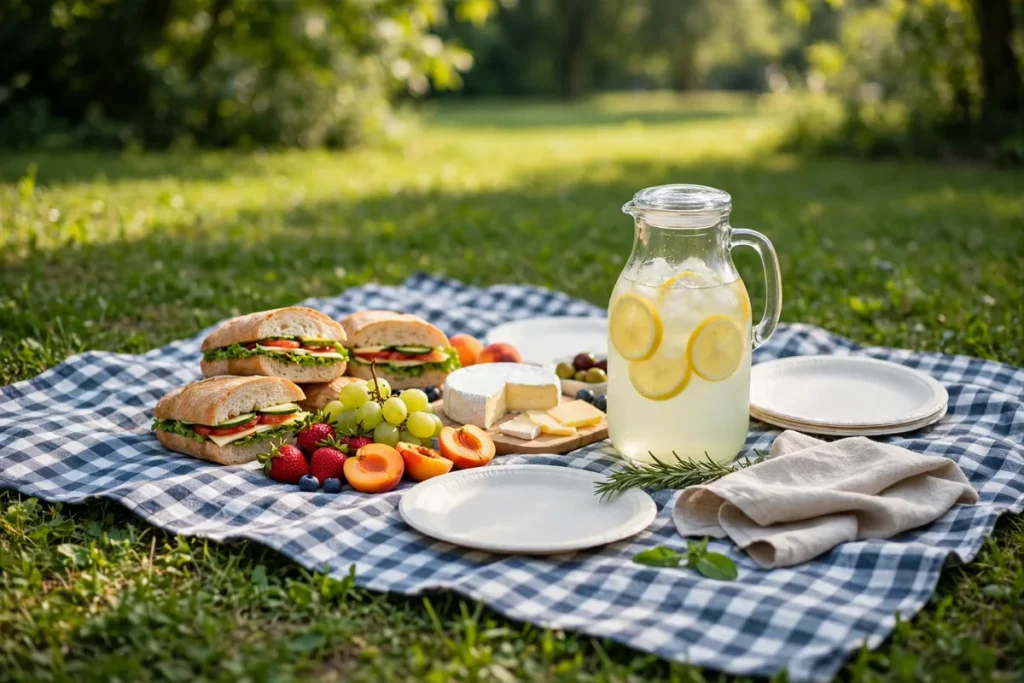
A big box of cherries is a good problem. Eat the freshest ones plain, then use the rest: bake a cherry pie, crisp, or clafoutis; simmer a quick cherry sauce for pork or duck; freeze pitted cherries for smoothies; or dry them for snacking. Cherries also belong at the picnic table — they are one of the easiest picnic foods. For everyday meals, try a cherry glaze over roast chicken or pork in fast and easy dinner recipes. And if you are building a spread for guests, cherries pair beautifully with soft cheeses — see these appetizers and hors d’oeuvres ideas for more inspiration.
Frequently Asked Questions
When is cherry season in the US?
Cherry season in the US runs from mid-April to August. Sweet cherries start in California in mid-April and peak in June and July in Washington and Oregon. Tart cherries follow in Michigan from mid-June through August.
What month are cherries cheapest?
June and July. That is peak harvest, when supply is highest and prices are lowest. Early-season cherries in April and May are a treat, but they cost more.
How long do fresh cherries last in the fridge?
Sweet cherries last 5 to 7 days in the fridge if they are kept dry and unwashed. Rainier cherries are more delicate and last 3 to 4 days. Wash them only right before eating.
Can you freeze fresh cherries?
Yes. Wash, pit, and freeze them in a single layer on a baking sheet, then move them to a freezer bag. Frozen cherries keep 6 to 12 months and work well in smoothies, sauces, and baking.
Are cherries in season in winter?
Not in the US. Domestic cherries are done by August. Fresh cherries in winter are imported from Chile, where the season runs November through February.
Conclusion
So, when is cherry season? Mark your calendar for mid-April through August — and for the best fruit at the best price, aim for June and July. Buy them firm, dark, and glossy; store them dry and unwashed in the fridge; and freeze the extra while they are cheap. A short season is exactly what makes cherries special: a few weeks of the sweetest fruit of the year, worth waiting for.