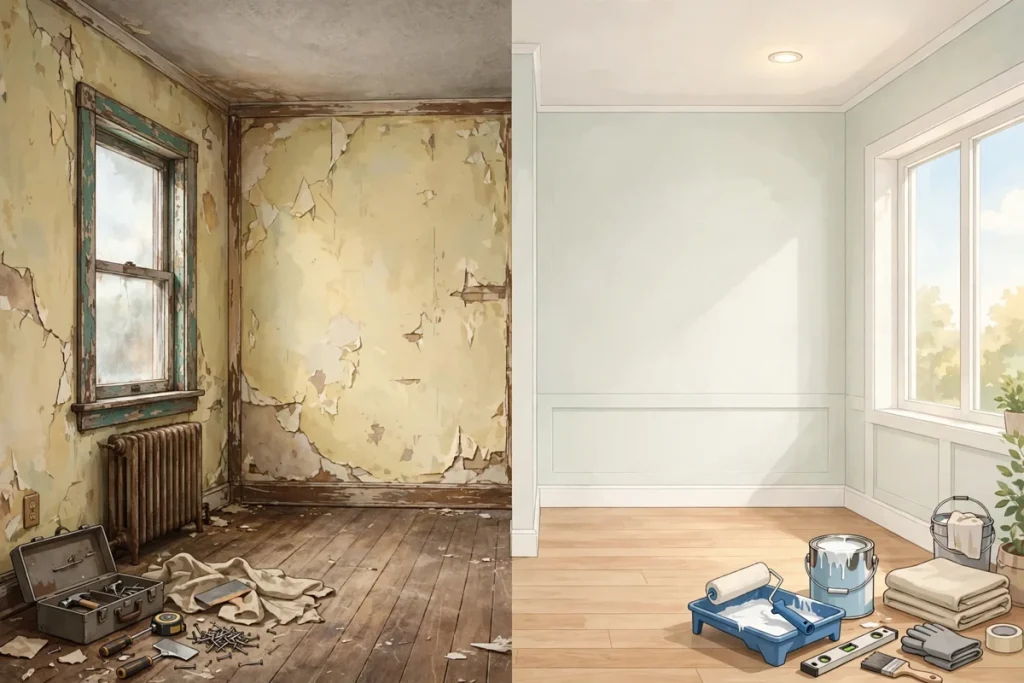

A whole house remodeling project is the most ambitious way to transform a home. Instead of updating one room, you rework the entire house — its layout, systems, finishes, and often its exterior — in a single coordinated project. It is the right choice when a home has good bones but no longer fits how you live: the kitchen is closed off from the living space, the bathrooms are dated, the wiring is old, or the floor plan wastes space. Done well, it turns a house you have outgrown into a home that works for the next twenty years. Done badly, it drains your budget and your patience. This guide covers what the work includes, what it costs, how long it takes, the order the work should happen in, and the mistakes to avoid, so you can start with a clear plan instead of guesswork.
The short version: expect to spend roughly $100 to $400 per square foot, and plan on four to twelve months from design to move-in. The rest of this guide breaks those numbers down by scope, phase, and room, so you can see where the money and the time actually go.
What Whole House Remodeling Includes
A whole house remodel is the largest type of home renovation project. It typically touches every room in the home: the kitchen and bathrooms, bedrooms, living areas, flooring, paint, and lighting, along with at least some of the home’s hidden systems — plumbing, electrical, heating and cooling, and insulation. It can also include moving or removing walls, reconfiguring the layout, adding a bathroom or laundry room, and updating the exterior through exterior remodeling, such as new roofing, siding, windows, and doors. The key difference from a single-room remodel is coordination. When the whole house is open at once, your contractor can run new wiring and plumbing efficiently, fix structural problems properly, and keep finishes consistent from room to room. What it does not usually include is building a large addition or tearing the house down to the foundation. Those are different projects, with different permits, costs, and timelines.
How Much Does Whole House Remodeling Cost?
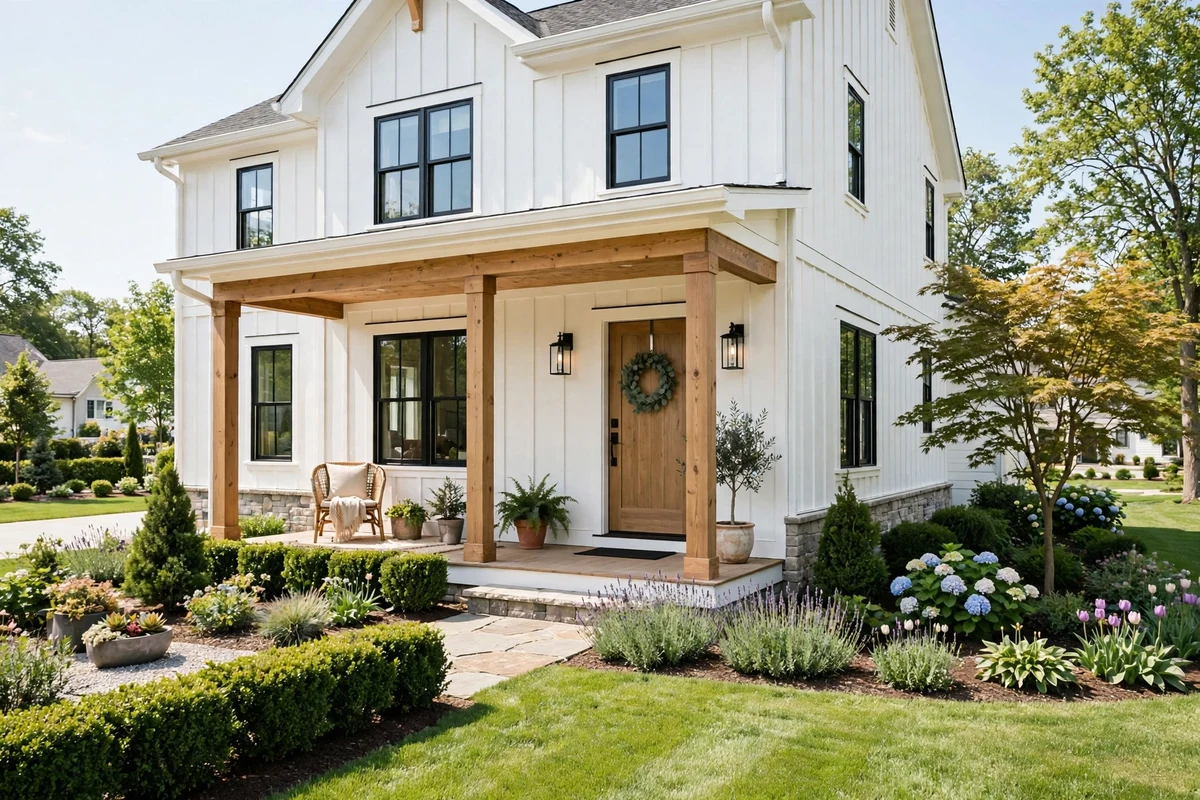
Costs vary widely by location, home size, and finish level, but most whole house remodeling projects in the United States fall between $100 and $400 per square foot. For a 2,000-square-foot home, that works out to roughly $200,000 to $800,000 all in. The wide range is the point: a cosmetic refresh and a gut renovation are barely the same kind of project. The table below shows the three scopes most homeowners choose between, with typical cost ranges for a 2,000-square-foot home. Treat every figure here as an estimate. Get at least three detailed, itemized quotes before you commit to a budget.
| Scope | What it usually includes | Cost per square foot | Typical total for a 2,000 sq ft home |
|---|---|---|---|
| Cosmetic refresh | New paint, flooring, fixtures, and lighting, plus minor kitchen and bath updates. No walls moved and no systems replaced. | $100–$150 | $200,000–$300,000 |
| Mid-range remodel | New kitchen and bathrooms, new flooring and windows, an updated electrical panel, some new plumbing, and small layout changes. | $150–$250 | $300,000–$500,000 |
| Gut remodel | Down to the studs: new plumbing, wiring, HVAC, insulation, and drywall, new kitchen and baths, and major layout changes. | $250–$400 | $500,000–$800,000 |
All figures are estimates based on typical U.S. remodeling costs. Prices run higher in expensive metro areas and for high-end finishes.
What Drives the Cost Up or Down
Four things move the price more than anything else. First, scope: every wall you move, bathroom you add, and system you replace adds labor and materials. Second, the kitchen and bathrooms, which together can account for half the budget. A kitchen alone often runs $30,000 to $75,000 or more, and our guide to kitchen remodeling breaks down where that money goes. Third, the condition of the house: old wiring, cast-iron plumbing, asbestos, and structural problems only reveal themselves once the walls are open. Fourth, finish level: mid-range cabinets, quartz counters, and standard fixtures cost far less than custom cabinetry, stone, and designer brands, and the difference compounds across a whole house.
Whole House Remodeling Timeline: What to Expect
A whole house remodel rarely finishes in the time the first estimate suggests, but the phases are predictable. Planning and design take one to three months: measuring the house, preparing drawings, choosing materials, and getting contractor bids. Permits take another one to three months depending on your city, so apply early. Demolition and structural work take two to six weeks. Rough-in work — plumbing, electrical, HVAC, and insulation — takes four to eight weeks, followed by inspections. Then come finishes: drywall, flooring, cabinets, tile, and paint, usually eight to sixteen weeks. A final punch list and inspections add two to four weeks. All told, construction alone runs three to nine months, and the full project from first sketch to move-in typically takes six to twelve months for a mid-range remodel and up to eighteen months for a gut renovation.
The Right Order of Work
Remodeling in the wrong order wastes money — for example, painting walls before the electrician has finished, or installing floors before the plumbers are done. The right sequence protects finished work and keeps inspections on schedule.
- Design and planning: finalize the layout, drawings, and material choices before demolition starts.
- Permits and approvals: submit the plans, wait for approval, and schedule the required inspections.
- Demolition and structural work: strip the old finishes, remove or move walls, and repair framing and the roof.
- Rough-in — plumbing, electrical, and HVAC: install the new systems while the walls are open, then pass the rough inspections.
- Insulation and drywall: close up the walls once the systems are approved.
- Finishes: flooring, cabinets, countertops, tile, fixtures, and paint.
- Exterior and punch list: siding, windows, and doors if included, then final inspections and touch-ups.
How to Budget for a Whole House Remodel
Start with your must-haves, price them, and then add a contingency of 10 to 20 percent of the construction cost: 10 percent for a cosmetic refresh, 20 percent for a gut remodel or an older home. The contingency is not optional padding. It pays for what you cannot see yet, like rotted framing or outdated wiring discovered behind the walls. A useful rule of thumb is to avoid spending more than about 30 percent of your home’s current value on a remodel unless you plan to stay long term, because beyond that point you may not recover the cost when you sell. Get every quote in writing, itemized by trade. The cheapest bid is often the one that left something out. Hold back the final payment until the punch list is complete and the work has passed inspection.
Living in the House During the Remodel vs. Moving Out
For a cosmetic refresh, staying put is usually fine. The disruption is limited, and you can live in one part of the house while work happens in another. For a mid-range or gut remodel, moving out is usually the better choice. Without a working kitchen or bathroom, with dust everywhere and crews starting at 7 a.m., daily life gets miserable fast, and the project often goes faster without you in the way. If you stay, set up a temporary kitchen, seal off the work zone with plastic sheeting, and agree on work hours, dust control, and bathroom access in writing. If you move out, budget for rent or a short-term rental for the full construction period plus a month of buffer, and factor that cost into the project budget. Also check your homeowner’s insurance about vacancy rules during renovation.
How to Choose the Right Contractor
The contractor matters more than any single material choice. Get at least three bids from licensed, insured general contractors with whole-house experience, and check references from their last three projects, not just the showcase ones. Ask to see a current license and insurance certificates, and verify them with your state licensing board. Look for a detailed written contract that lists the scope, materials, payment schedule, timeline, and how change orders are priced. Be wary of any contractor who asks for more than 10 to 20 percent upfront, pressures you to sign quickly, or offers a price far below the others. Good communication is a real selection criterion: you will be talking to this person weekly for months, so choose someone who answers questions clearly and documents decisions in writing.
Mistakes to Avoid
Most whole house remodels go wrong in the same few ways. Avoid these mistakes and the project gets much easier:
- Skipping the design phase and starting demolition with a plan to figure it out as you go.
- Setting a budget with no contingency for surprises behind the walls.
- Choosing the cheapest bid without comparing what each bid actually includes.
- Changing the plan mid-project, which triggers expensive change orders.
- Skipping permits. Unpermitted work can stall a future sale.
- Underestimating how long you will need somewhere else to live.
Frequently Asked Questions About Whole House Remodeling
How much does it cost to remodel a whole house?
Most projects cost $100 to $400 per square foot, depending on scope. For a 2,000-square-foot home, a cosmetic refresh runs roughly $200,000 to $300,000, a mid-range remodel $300,000 to $500,000, and a gut remodel $500,000 to $800,000. Get itemized quotes for your home and area before setting a budget.
How long does a whole house remodel take?
Plan on six to twelve months from design to move-in for a mid-range project, and up to eighteen months for a gut renovation. Construction alone usually takes three to nine months. Permits and design add one to six months before that.
Is $100,000 enough to remodel a whole house?
Usually not for a full remodel. One hundred thousand dollars can cover a cosmetic refresh of a smaller home or a major kitchen and bath update, but a whole-house remodel of a typical home generally starts around $200,000.
What is the most expensive part of a whole house remodel?
The kitchen and bathrooms, followed by plumbing, electrical, and HVAC work. The kitchen alone often accounts for 20 to 30 percent of the total budget, and bathrooms are the next biggest share. Structural changes and new systems add further cost.
Should you move out during a whole house remodel?
For a gut or mid-range remodel, yes if you can. Living through it means dust, noise, and no working kitchen or bathroom, and the work often takes longer with you in the way. For a light cosmetic refresh, staying in the home is usually manageable.
Conclusion
Whole house remodeling is a big undertaking, but it is manageable when you understand the scope, budget honestly with a contingency, follow the right order of work, and hire a contractor you trust. Start with design and permits, protect your budget, and expect surprises. Then enjoy a home that finally fits the way you live.