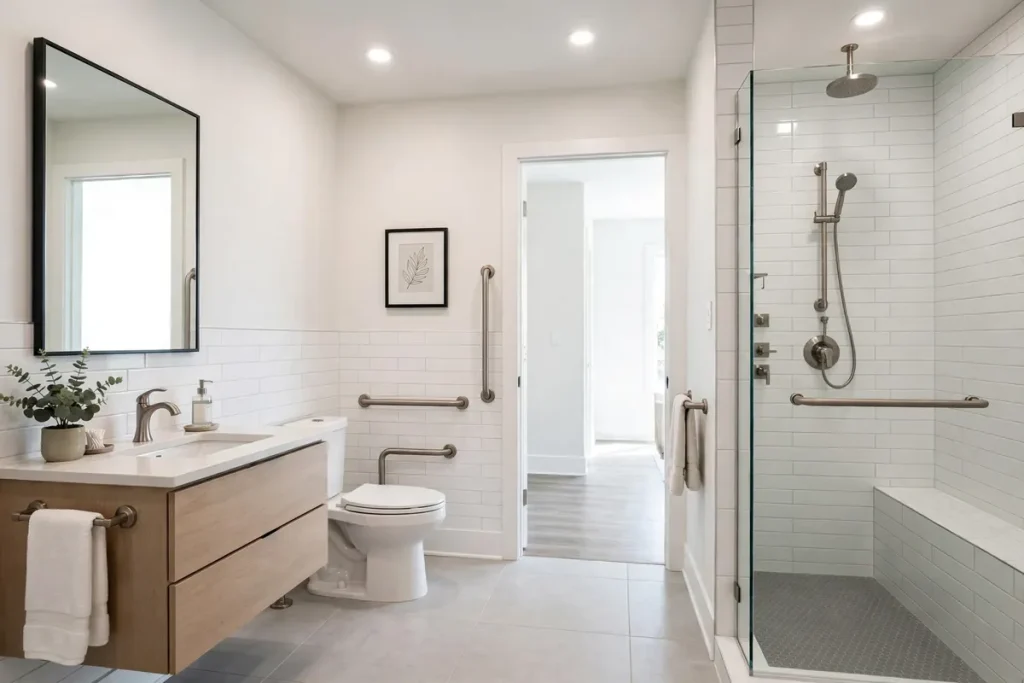

Bathroom conversions are one of the most practical ways to fix a bathroom that no longer fits the way you live. A conversion changes how the room works, not just how it looks. You might replace a tub you never use with a shower you use every day, add a tub for small children, or make the room safer and easier to use as you get older. Done well, bathroom conversions can save space, cut cleaning time, improve safety, and make a daily routine simpler. Done badly, they can waste thousands of dollars on work you did not need. This guide explains the main types, realistic United States costs, how long each one takes, when a permit is needed, and what the change is likely to mean for resale value.
What Is a Bathroom Conversion?
A bathroom conversion changes one fixture or function into another. The most common example is a tub-to-shower conversion, but the term also covers shower-to-tub conversions, walk-in tubs, adding a shower to a half bath, and turning a standard shower into a curbless, step-free shower. A conversion is different from a cosmetic remodel. Painting, changing a mirror, or replacing a faucet refreshes the room. A conversion changes plumbing, layout, waterproofing, or access, so it needs more planning and usually costs more.
Tub-to-Shower Conversion: The Most Popular Bathroom Conversion
The tub-to-shower conversion is the most searched type of bathroom conversion, and it is easy to see why. Many homes have a standard five-foot tub and shower combination that is rarely used as a bath. Removing it frees floor space, removes a high step over the tub wall, and gives you a shower that is easier to clean and to enter.
What a Tub-to-Shower Conversion Involves
The old tub, surround, and often the drain and valve are removed first. The plumber then adjusts the drain and shower valve to the new position, the walls are prepared and waterproofed, and a new shower base or tiled pan is installed. After that come the wall panels or tile, the showerhead and controls, and a glass door, curtain, or open entry. A walk-in shower with no door is a popular finish because it removes another barrier and makes the room feel larger, but it needs careful sloping and a good drain so water stays inside the shower area.
Cost and Timeline for a Tub-to-Shower Conversion
Cost depends mainly on the finish. An acrylic liner or prefabricated shower unit is the fastest and cheapest route, often taking one to three days and costing about $3,500 to $12,000 installed. A custom tiled shower looks better, lasts longer when it is waterproofed correctly, and offers more sizes and finishes, but it usually costs $9,000 to $25,000 and takes one to three weeks because tile, grout, and curing cannot be rushed. Moving the drain or shower valve, repairing rot or mold found under the old tub, or choosing frameless glass will add cost and time to either route.
Shower-to-Tub Conversion
A shower-to-tub conversion runs in the opposite direction. It suits families with small children, households that enjoy baths, or homes where the only tub has already been removed. The work usually means removing the shower base and surround, moving or adding a tub drain and overflow, checking that the floor can support a full tub of water, and rebuilding the walls for a tub surround or tile. A bathtub remodel often goes with this change, because a new tub is the right time to fix tired walls, taps, and caulk. Expect about $4,000 to $15,000 and three to seven days, depending on the tub, tile, and any plumbing changes.
Walk-In Tub and Accessibility Conversions for Aging in Place
Accessibility conversions are not only for people who already have trouble moving. Many homeowners plan them early, while a remodel is already happening, so the bathroom stays usable for decades. A walk-in tub has a sealed door, a low step, a built-in seat, and handrails, so you sit down and fill the tub instead of climbing over a high wall. It costs about $5,000 to $15,000 installed and often takes one to three days, although waiting for the tub to fill and drain takes longer than a normal bath, which is a real drawback to weigh.
Grab Bars, Curbless Showers and Safer Layouts
Smaller changes can make a bigger difference than a new tub. Grab bars by the toilet and in the shower, a curbless shower with no step at the entry, non-slip flooring, a handheld showerhead, a shower seat, and brighter lighting all reduce the risk of a fall. A curbless shower also helps a wheelchair or walker roll in. If you plan for aging in place, leave at least 32 inches of clear door width and put blocking inside the walls now so grab bars can be fixed firmly later, even if you do not fit them yet.
Half Bath to Full Bath Conversion
Turning a half bath, with only a toilet and sink, into a full bath means adding a shower or tub. It is one of the most useful bathroom conversions in a home with too few full bathrooms, especially on a main floor or near guest rooms. The job needs space for the new fixture, a water supply and drain, ventilation, and waterproof walls. When you finish the new shower walls, bathroom backsplash ideas can help you protect the walls around the sink and shower while giving the small room a finished look. Expect about $10,000 to $30,000 or more and three to six weeks, with the higher end when plumbing must run through finished rooms.
Bathroom Conversion Costs and Timelines Compared
| Conversion type | Typical cost range | Time it takes |
|---|---|---|
| Tub-to-shower conversion, acrylic or prefabricated | $3,500 to $12,000 | 1 to 3 days |
| Tub-to-shower conversion, custom tile | $9,000 to $25,000 | 1 to 3 weeks |
| Shower-to-tub conversion | $4,000 to $15,000 | 3 to 7 days |
| Walk-in tub conversion | $5,000 to $15,000 | 1 to 3 days |
| Half bath to full bath | $10,000 to $30,000 or more | 3 to 6 weeks |
| Full bathroom remodel and conversion | $15,000 to $40,000 or more | 3 to 6 weeks |
Do Bathroom Conversions Need a Permit?
It depends on the work. A like-for-like tub-to-shower swap in the same place often needs no permit, but moving plumbing or drains, changing electrical wiring, moving a wall, or adding a bathroom usually does. Rules differ by city and county, so check with your local building department first. Unpermitted work can cause problems at resale or with insurance.
Do Bathroom Conversions Add Resale Value?
A well-done conversion can help a home sell, but it rarely pays for itself in full. A tub-to-shower conversion usually helps when the home still has at least one tub elsewhere. Removing the only tub can narrow your buyer pool, especially for families with young children. Adding a full bath, or making a bathroom safer, tends to add more value than a luxury finish alone.
How to Choose the Right Conversion for Your Home
Here is the extra angle most guides skip: plan the conversion for the next ten years, not just the next buyer. Ask who will use the room in five and ten years, how long you will stay, and whether this is the only full bathroom. If you plan to stay, spend on safety, waterproofing, and a layout that will still work if your needs change. If you plan to sell soon, keep the only tub and choose neutral finishes.
Mistakes That Waste Money on Bathroom Conversions
Two mistakes waste the most money. The first is moving plumbing unnecessarily. Shifting a toilet, tub, or shower drain across the room can add thousands of dollars in labor and permits, for a layout gain you may barely notice. Keep fixtures close to their existing drains unless the current layout truly does not work. The second is covering a problem instead of fixing it. Cheap liners glued over hidden water damage, rot, or mold hide the issue for a while, then fail and cost far more to repair. Always fix leaks and damaged framing, and waterproof properly, before the new finish goes on.
Frequently Asked Questions About Bathroom Conversions
How much does a bathroom conversion cost in the US?
A typical bathroom conversion costs $3,500 to $25,000, depending on the type and finish. Simple acrylic jobs are at the low end; custom tile and half-bath additions are at the high end.
How long does a tub-to-shower conversion take?
A prefabricated tub-to-shower conversion usually takes one to three days. A custom tiled shower usually takes one to three weeks, because tile and grout need time to cure.
Do I need a permit for a bathroom conversion?
Sometimes. A like-for-like swap in the same spot often needs no permit, but moving plumbing, drains, or electrical work, or adding a bathroom, usually does. Check local rules first.
Will converting a tub to a shower hurt my home’s resale value?
Usually not, if the home still has at least one tub elsewhere. Removing the only tub can narrow your buyer pool, especially for families with young children.
Can a bathroom conversion be done in one day?
Yes, for the wet area only. A one-day acrylic or prefabricated conversion replaces the tub, walls, and fixtures, but not a full remodel or hidden-damage repair.
Start with the way you actually use the bathroom, keep the plumbing where it already works, fix what is hidden before you cover it, and choose a conversion that will still suit you in ten years.