

Introduction
Occasionally worrying about health is normal. However, when concerns about illness become persistent, overwhelming, and difficult to control, they may begin affecting daily life. This is where seeking treatment for health anxiety can make a meaningful difference.
People experiencing health anxiety often spend significant time monitoring physical sensations, researching symptoms, or seeking reassurance. While these behaviors may provide temporary comfort, they can strengthen anxiety over time. Understanding effective treatment for health anxiety can help individuals regain peace of mind and improve overall well-being.
Understanding Health Anxiety
Health anxiety involves excessive worry about having or developing a serious medical condition despite limited or no evidence of illness.
Common Signs
Many individuals experience:
- Frequent body checking
- Constant symptom monitoring
- Excessive health-related research
- Difficulty accepting reassurance
- Persistent fear of serious illness
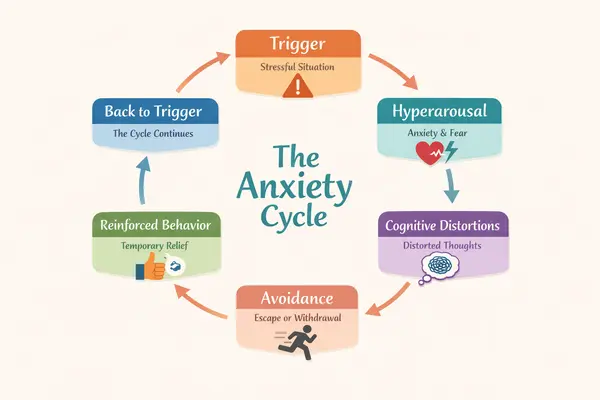
The Anxiety Cycle
Health anxiety often follows a predictable pattern. A physical sensation triggers concern, which increases anxiety. Heightened anxiety then makes the sensation feel more noticeable, reinforcing the fear.
Why Treatment for Health Anxiety Matters
Without intervention, health anxiety can consume emotional energy and interfere with daily responsibilities.
Impact on Relationships
Constant worry may affect communication and create stress within personal relationships.
Reduced Quality of Life
People may avoid activities, struggle to concentrate, or spend large portions of their day focused on health concerns.
Seeking treatment for health anxiety helps interrupt these patterns before they become more disruptive.
Effective Approaches to Treatment
Understanding Thought Patterns
One important component of treatment for health anxiety involves recognizing how thoughts influence emotional responses.
Individuals learn to identify assumptions, predictions, and interpretations that contribute to fear.
Reducing Reassurance-Seeking Behaviors
Although reassurance may feel helpful initially, excessive reassurance often maintains anxiety.
Learning to tolerate uncertainty can significantly reduce distress.
Developing Healthier Responses
Rather than reacting immediately to every sensation, individuals practice observing experiences with greater balance and perspective.
Lifestyle Habits That Support Recovery
Manage Stress Levels
Stress often increases awareness of normal bodily sensations, making symptoms seem more alarming.
Improve Sleep Quality
Adequate rest supports emotional regulation and reduces vulnerability to anxiety.
Stay Physically Active
Regular movement can improve mood and help reduce overall stress levels.
Building Long-Term Confidence
Recovery is not about eliminating every health-related thought. Instead, treatment for health anxiety focuses on changing how individuals respond to uncertainty.
As confidence grows, many people become less dependent on reassurance and more capable of evaluating concerns realistically.
Conclusion
Effective treatment for health anxiety can help individuals break free from the cycle of fear, reassurance-seeking, and constant worry. Through increased self-awareness, healthier coping strategies, and consistent practice, people often experience significant improvements in emotional well-being.
Learning to tolerate uncertainty and trust one’s ability to cope can create lasting freedom from health-related anxiety and support a more balanced, fulfilling life.