
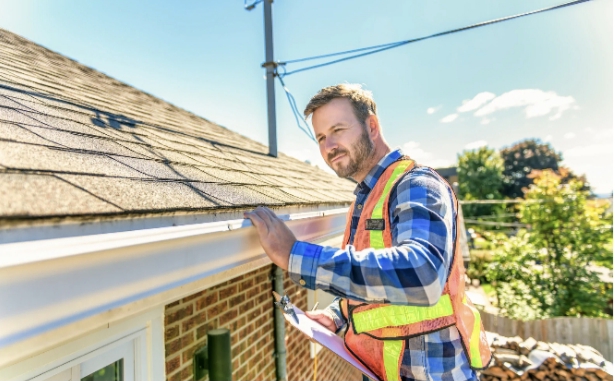

TLDR: A professional roof inspection takes 1 to 3 hours and covers shingles, flashing, gutters, ventilation, and structural components. It costs $150 to $400. Skipping it means missing early damage that costs $5,000 to $30,000 to repair once it reaches the interior. After a hailstorm, it is also the documentation that supports an insurance claim.
A professional roof inspection is a systematic evaluation of every component of your roofing system: shingles or membrane, flashing, gutters, ridge vents, soffits, and the structural deck visible from above and below. It takes between one and three hours for a residential property and costs $150 to $400. What it finds either confirms the roof has years of life remaining or identifies damage that, if addressed early, costs a fraction of what it will cost after water has reached the interior.
Homeowners in the Aurora area often schedule roof inspections after hailstorms, high-wind events, or before buying or selling a home. These inspections help identify damage that may not be visible from the ground and provide documentation needed for insurance claims, repair planning, and real estate transactions.
Roof Inspection Aurora Colorado professionals typically record findings with photographs and written reports that help property owners make informed decisions about maintenance, repairs, or replacement needs.
What Does a Roof Inspector Check?
Shingles or Roofing Membrane
For asphalt shingle roofs, the inspection looks for:
- Granule loss: Granules protect the asphalt layer from UV degradation. Their absence appears as bald patches and indicates the shingle is near the end of its life. Heavy granule loss in gutters confirms widespread shingle degradation.
- Curling and cupping: Curled shingle edges indicate moisture cycling or improper installation. Cupped shingles (edges curling upward) are particularly vulnerable to wind uplift.
- Missing shingles: Any gap in shingle coverage is a direct water entry point.
- Hail damage: Hail creates circular impact points that remove granules and compress the asphalt mat. This damage is not always visible from the ground.
For flat roofs with membrane systems, the inspection checks for membrane blisters, seam separations, ponding water evidence, and penetration seal condition.
Flashing
Flashing is the metal material installed at all roof penetrations, valleys, and intersections with vertical surfaces. It is the most common source of water intrusion in residential roofs.
The inspector checks for:
- Lifted or separated flashing at chimney bases, skylight edges, and pipe penetrations
- Rust or corrosion in metal flashing
- Deteriorated caulk at flashing edges
- Missing flashing sections
A failed flashing repair costs $200 to $500. The water damage resulting from a missed flashing failure can reach $5,000 to $20,000.
Gutters and Drainage
Gutters that have pulled away from the fascia, are clogged, or do not slope toward the downspout cause water to back up onto the roof edge. This overflow saturates the fascia and soffit material and can penetrate behind the starter strip.
The inspector checks gutter attachment, slope, and the condition of the fascia behind them.
Ridge, Soffits, and Ventilation
Proper attic ventilation prevents heat buildup in summer that degrades shingles from below and moisture buildup in winter that causes structural rot. A ventilation inspection looks for:
- Blocked soffit vents from insulation or debris
- Missing or damaged ridge cap shingles
- Inadequate attic air exchange that shows up as condensation evidence on the underside of the roof deck
How Does a Roof Inspection Support an Insurance Claim?
After a hailstorm or high-wind event, the insurance claim process depends on documented evidence of storm damage. A professional inspection report with dated photographs of impact points, granule loss patterns, and damaged flashing provides that evidence in the format adjusters need.
Homeowners who file claims without professional documentation often receive lower settlements or denials because the evidence they present is insufficient to differentiate storm damage from normal wear.
A professional inspection establishes:
- The pre-existing condition of the roof before the storm
- The specific damage attributable to the storm event
- A repair or replacement scope tied to documented conditions
This documentation is the difference between a claim approval and a dispute.
How Often Should a Roof Be Inspected?
The National Roofing Contractors Association recommends professional inspection twice per year: once in spring to assess winter damage and once in fall before the next season begins.
Additional inspections should follow any significant weather event: hailstorm, high-wind event, ice damming, or heavy snowfall. In Colorado’s hail-active corridors, an annual inspection minimum and a post-storm inspection protocol is the standard practiced by homeowners who have previously filed hail claims.
What Does It Cost to Repair Damage Found During Inspection?
| Issue Found | Repair Cost |
| Flashing repair (one location) | $200 to $500 |
| Shingle replacement (small section) | $150 to $400 |
| Gutter reattachment (per section) | $100 to $250 |
| Ridge cap shingle replacement | $250 to $500 |
| Full roof replacement (2,000 sq ft) | $8,000 to $20,000 |
| Water damage repair (interior) | $3,000 to $30,000+ |
The cost relationship between early repair and late repair is consistent: each item on this list costs a fraction of what the water damage it prevents would cost to remediate.
Key Takeaways
- A professional roof inspection costs $150 to $400 and covers shingles, flashing, gutters, ventilation, and structure in one to three hours
- Hail damage creates circular impact points that remove granules and compromise the asphalt mat. These are not visible from the ground without professional assessment
- Flashing at penetrations and roof-to-wall intersections is the most common source of water intrusion and the most frequently missed by DIY visual checks
- A documented inspection report with photographs is the evidence insurance adjusters need to process storm damage claims efficiently
- The NRCA recommends professional inspection twice annually, plus a post-storm inspection after any significant weather event
- Early repair of inspection-identified issues costs $150 to $500 per item; the water damage those same issues cause if unaddressed ranges from $3,000 to $30,000+
A roof inspection is not just a maintenance checkbox. It is the single most affordable way to protect one of the most expensive components of your home. The cost of finding a problem is always lower than the cost of discovering it after the ceiling is stained.