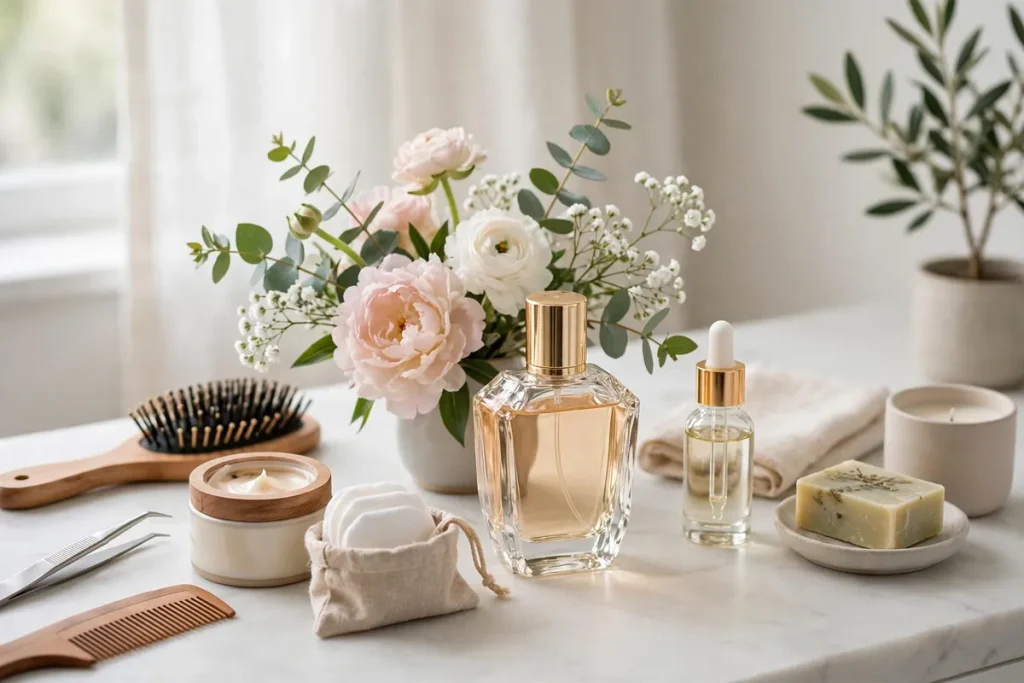

Learning how to smell good is less about owning one expensive perfume and more about building a small, repeatable routine. A fresh shower, clean clothes, healthy skin, and fragrance applied in the right places will do far more than spraying extra perfume over yesterday’s sweat. With a few consistent habits, you can smell clean and confident from your first meeting in the morning to a late dinner at night.
This guide covers 12 habits that actually work, a morning-to-night timeline, and a troubleshooting section for the most common problem of all: a fragrance that seems to vanish by lunchtime. Follow even half of these steps every day, and most people around you will notice the difference.
1. Start With a Proper Shower, Not Just a Quick Rinse
Smelling good starts with clean skin. Wash daily, or after sweating heavily, using warm water and a gentle body wash. Pay special attention to underarms, feet, behind the ears, and skin folds, where sweat and warmth help odor-causing bacteria thrive. Use a washcloth to remove dead skin and residue, rinse thoroughly, and dry completely, especially between the toes and under the arms, because damp skin encourages odor. Use a clean, fully dried towel, since musty towels transfer their smell straight back to your skin.
2. Exfoliate and Moisturize So Skin Holds Scent Better
Exfoliating once or twice a week removes dead skin cells that trap odor and make fragrance sit unevenly. A gentle scrub or soft washcloth is enough for most people. Moisturizer is equally important: fragrance lasts much longer on hydrated skin than on dry skin, which absorbs perfume quickly and lets it fade. Apply an unscented or lightly scented lotion within a few minutes of showering, while skin is still slightly damp, to lock in moisture and give perfume something to cling to.
3. Choose the Right Deodorant or Antiperspirant
Deodorant reduces odor, while antiperspirant reduces sweating itself. If you sweat heavily, an antiperspirant applied at night often works better, because sweat glands are less active then. Reapplying deodorant over sweat during the day rarely helps for long, so start clean. If your skin is sensitive, choose fragrance-free or gentle formulas and test a new product on a small area first. For more on gentle formulas, see this comparison of CeraVe vs The Ordinary for skincare.
4. Apply Fragrance to Pulse Points, Not to the Air
Pulse points are warm areas where blood flows close to the skin, such as the wrists, neck, behind the ears, and inside the elbows. Warmth helps fragrance develop and project gently. Spray from a short distance onto clean, moisturized skin and let it dry naturally. Do not rub your wrists together, because friction breaks down fragrance molecules and dulls the top notes. Two to four sprays are enough for most perfumes. Spraying the air and walking through it wastes product and creates an overpowering cloud.
5. Layer Scent in the Same Family
Layering means using products with matching or complementary scents, rather than mixing unrelated fragrances. Start with a lightly scented shower gel, follow with a matching or unscented lotion, then finish with perfume or cologne. This builds scent in stages, so it lasts longer and smells more polished. Choose one dominant family for the day, such as fresh citrus, soft floral, warm vanilla, or clean musk, and keep everything else neutral so scents do not clash.
6. Wear Clean Clothes and Refresh Your Laundry Routine
Even perfect skin care cannot rescue a shirt worn for a third day. Sweat, skin oils, and food smells settle into fabric, especially underarms, collars, and gym clothes. Wear fresh underwear and socks daily, change workout clothes after every session, and wash a garment that smells musty rather than covering it with perfume. Wash clothes promptly, dry them fully, and store them in a ventilated space. Rotate shoes, let them air out, and use shoe deodorizer or baking soda overnight to reduce foot odor.
7. Do Not Forget Hair, Breath, and Hands
Hair traps smoke, cooking smells, and sweat, and it sits close to the people you talk to. Wash hair as often as your hair type needs, usually every one to three days, and rinse after heavy workouts. Breath is equally important: brush twice daily, clean your tongue, floss, and stay hydrated, because a dry mouth encourages bad breath. Sugar-free mints help briefly but do not replace dental care. If bad breath persists despite good hygiene, see a dentist. Clean hands and trimmed nails complete the picture.
8. Eat, Drink, and Sleep for a Fresher Baseline
Your diet affects body odor more than many people expect. Garlic, onions, strong spices, alcohol, and very processed foods can change sweat odor for hours. You do not need to avoid them completely, but be mindful before important events. Balanced meals, plenty of water, and fresh fruit and vegetables support a cleaner baseline scent, while water keeps your mouth moist and skin hydrated. Poor sleep and chronic stress can also increase sweating, so a regular sleep routine helps.
Your Morning-to-Night Smell-Good Timeline
| Time | Step | Why it works |
|---|---|---|
| Morning | Shower, moisturize, deodorant, fragrance | Builds scent on clean, hydrated skin |
| Midday | Fresh shirt if needed, water, breath check | Stops sweat and odor building up |
| Evening | Light re-spray on clothes, not skin | Refreshes scent without overpowering it |
| Night | Shower after workouts, clean pajamas | Prevents odor carrying into tomorrow |
9. Try a Scent Reset: Beat Nose Blindness and Match the Occasion
Most guides stop at showering and spraying, but they miss a common frustration: you stop smelling your own fragrance within an hour, while other people still can. This is nose blindness, or olfactory adaptation. Your brain tunes out a constant smell to notice new ones. It does not mean your perfume has vanished, and spraying more every hour usually just overwhelms everyone else. Instead, do a weekly scent reset: go fragrance-free for one day, use unscented products, and let your nose recalibrate. Then ask a trusted friend a simple question: “Can you still smell my perfume, or is it too strong?” That check is more reliable than your own nose. Finally, match scent to the setting: a light, fresh scent for work and hot weather, a deeper scent for evenings, and a subtle, clean scent for the gym. For the space around you, read how to make your house smell good naturally, because clean rooms and bedding make your personal scent stand out.
10. Troubleshoot When Fragrance Fades Too Fast
If fragrance fades by noon, check the basics before buying a stronger perfume. Are you applying it to dry, unmoisturized skin? Are you using a lighter eau de toilette rather than an eau de parfum? Try moisturizing first, spraying pulse points, and carrying a travel-size bottle for one light refresh on clothing in the afternoon. If you have sensitive skin, choose fragrance-free base products and test new scents on one small area first, so freshness never comes at the cost of irritation.
11. Keep a Small Refresh Kit
A small kit in your bag or desk drawer makes all-day freshness realistic. Pack travel deodorant wipes, a mini fragrance, mints, hand sanitizer, and a spare pair of socks. These cover the most common midday problems in under two minutes. Replace items regularly and keep the kit clean, or it will start smelling stale itself.
12. Be Consistent, Not Extreme
The people who smell best are rarely the ones with the strongest perfume. They are the ones with consistent, clean habits: a daily shower, fresh clothes, good oral care, moisturized skin, and one well-chosen scent. Start with three habits from this list, add one more each week, and let the routine become automatic. Smelling good all day is a system, not a single product.
Frequently Asked Questions
How can I smell good all day without perfume?
Shower daily, wear clean clothes, use deodorant, moisturize with an unscented lotion, and keep your breath fresh. These basics alone create a clean scent, even without fragrance.
Where should I spray perfume so it lasts longest?
Spray pulse points such as the wrists, neck, and behind the ears, on clean, moisturized skin. Do not rub your wrists together, and add one light spray to clothing for extra staying power.
Why does my perfume disappear after an hour?
This is often nose blindness: your brain tunes out a constant scent, even though others can still smell it. Dry skin, a light fragrance type, and too few sprays can also shorten how long it lasts.
How many sprays of perfume should I use?
Two to four sprays are enough for most perfumes and colognes. Start with two, wait a few minutes, and add more only if the scent is truly faint. Over-spraying is more noticeable than under-spraying.
Can diet really change how I smell?
Yes. Garlic, onions, strong spices, and alcohol can change sweat odor for hours after eating. A balanced diet, plenty of water, and good hygiene help keep your baseline scent fresh.