
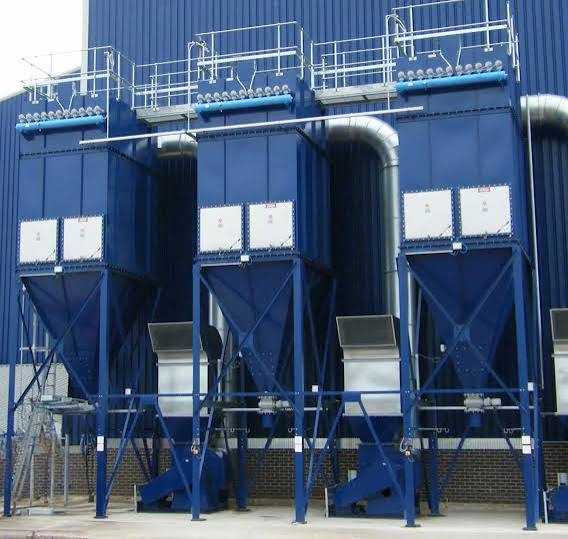

Dust kills people. That is not dramatic, that is just a fact. The Health and Safety Executive (HSE) in the UK links over 12,000 deaths every year to occupational lung disease caused by dust exposure at work. Most of those deaths were preventable. The right industrial dust extraction solutions are a core part of how factories, workshops, and construction sites keep workers alive and stay on the right side of the law. This article breaks down what actually matters and why it does.
Why Is Workplace Dust More Dangerous Than It Looks?
Dust particles smaller than 10 microns are invisible to the naked eye. They go straight past your nose and throat into your lungs. Some particles, called respirable crystalline silica (RCS), are found in concrete, stone, and brick dust. According to the HSE, RCS causes silicosis, a lung disease with no cure. Once you have it, it gets worse over time. Workers doing dry cutting or grinding are at the highest risk. A single day without proper extraction can mean years of damage.
What Does Proper Dust Extraction Actually Do?
A good dust extraction system pulls contaminated air away from the worker before they breathe it in. It captures the particles at the source, filters them, and releases cleaner air back into the environment. The filter rating matters a lot. H-class filters are the highest rating and can capture particles down to 0.3 microns with over 99.995% efficiency. M-class filters capture 99.9% down to a similar size. Using the wrong class for the job is not just ineffective, it is a compliance failure.
How Do Dust Extraction Systems Help With Legal Compliance?
In the UK, the Control of Substances Hazardous to Health Regulations 2002 (COSHH) sets strict rules on dust exposure at work. The Workplace Exposure Limit (WEL) for wood dust is 3 mg/m3 over an eight-hour shift. For RCS it drops to just 0.1 mg/m3. Businesses that exceed these limits face improvement notices, prohibition notices, or criminal prosecution. The HSE can shut down your site on the spot. Using compliant extraction equipment is the clearest way to prove you are managing the risk properly.
Which Industries Need Dust Extraction the Most?
Woodworking, metal fabrication, pharmaceuticals, food processing, and construction are the highest-risk sectors. A flour mill, for example, deals with dust that is both a respiratory hazard and an explosion risk. Combustible dust explosions have destroyed facilities and killed workers. The US Chemical Safety Board documented 281 combustible dust incidents between 1980 and 2005 that caused 119 deaths. Dust extraction is not optional in these environments. It is survival equipment.
Does Investing in Dust Extraction Actually Save Money?
Yes, and the numbers are clear. A COSHH improvement notice from the HSE can result in fines that reach into the hundreds of thousands of pounds. Worker compensation claims for occupational lung disease average tens of thousands per case. Downtime from HSE enforcement actions can cost a business its entire operating profit for a quarter. A quality extraction system typically costs a fraction of those outcomes. Insurance premiums also drop when extraction systems are installed and documented. The math is not hard.
What Should You Check Before Buying an Extraction System?
Airflow rate is everything. The system needs to move enough air to capture dust at the point it is generated. For table saws and CNC routers, you need at least 1,000 cubic feet per minute (CFM) of airflow. For larger operations, requirements scale up fast. Filter class must match the hazard type. You also need to check that the system is regularly maintained. Clogged filters reduce airflow and push dust back into the workspace. A system that is not maintained is worse than no system because it gives a false sense of security.