
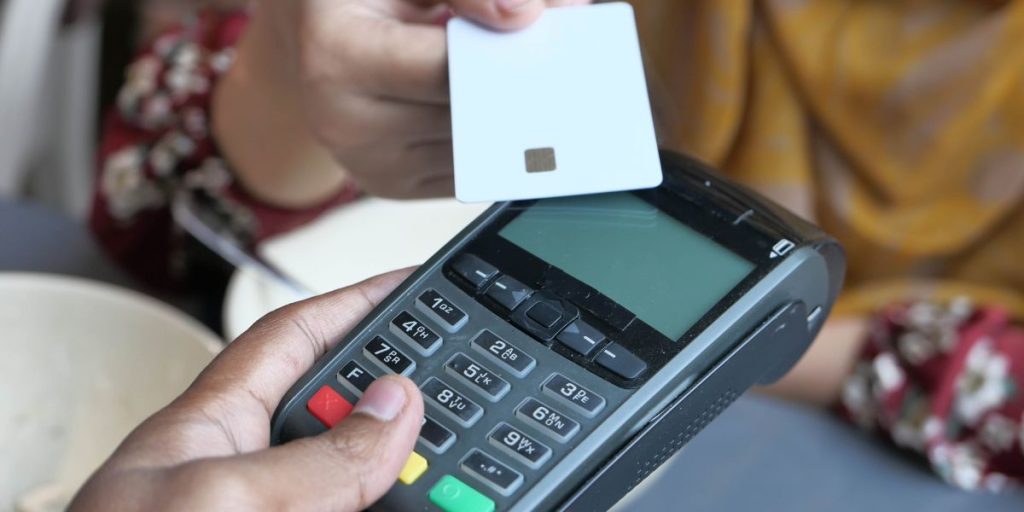

Fleet expense management is one of the messiest parts of running a business in New Zealand. Receipts go missing. Drivers fill up at wrong sites. GST claims get delayed. NZ business fuel cards fix most of these problems at the source. Businesses that switch from cash reimbursements to a managed fuel card system typically cut their fuel admin time by 60% or more. The numbers back it up, and so does the daily experience of fleet managers who have made the switch.
Why Is Cash Reimbursement Such a Problem for NZ Fleets?
Cash reimbursement is slow, inaccurate, and uncontrolled. Drivers keep receipts, managers review receipts, finance processes receipts. Every step has error risk. There is also no real-time visibility. You only know what your fleet spent after the receipts arrive. By that point, if something went wrong, you are already behind. Cash systems also make it hard to enforce fuel policies because there is no technical enforcement layer at the point of purchase.
How Do Fuel Cards Give Fleet Managers Real Control?
A fuel card is a policy tool as much as a payment tool. You set the rules in the account portal. The card enforces them at the pump. Drivers can only buy what you allow. If someone tries to buy groceries or alcohol on a fuel-only card, the transaction gets declined automatically. This removes a management burden and creates an audit trail that supports any disciplinary conversation if misuse is suspected.
What Does the GST Benefit Look Like for NZ Businesses?
New Zealand’s GST rate is 15%. Every fuel purchase made by your fleet includes GST that your business can claim back. Fuel cards generate itemised tax invoices that are pre-formatted for GST compliance. That removes manual data entry, reduces errors, and speeds up filing. Businesses spending NZ$3,000 per month on fleet fuel are dealing with NZ$450 in GST claims per month. Getting that process right every time saves money and IRD headaches.
How Do Fuel Cards Reduce the Risk of Fraud?
Fleet card fraud is real. Drivers topping up personal vehicles, family members using company cards, and inflated mileage claims are all documented problems. NZ businesses lose an estimated NZ$50 million per year to internal transport fraud. Fuel cards with PIN requirements, odometer entry, and transaction alerts cut that risk sharply. When every litre is logged against a vehicle and driver, fraud becomes much harder to hide and much easier to detect.
Can Fuel Cards Be Integrated With Accounting Software?
Most quality NZ fuel card providers offer data export in formats compatible with Xero, MYOB, and other common accounting platforms. Some offer direct API integration. This means fuel transaction data flows into your accounts automatically without anyone retyping numbers. For a business with 15 vehicles making daily transactions, that automation removes hundreds of manual entries per month. Fewer manual entries means fewer errors and faster month-end close.
What Happens When a Fuel Card Gets Lost or Stolen?
Good providers allow instant card suspension through an online portal or phone. Once suspended, the card cannot be used. A replacement card is typically dispatched within 2 to 3 business days. During that window, you can issue a temporary solution or assign another card to the driver. This process is far cleaner than chasing a lost corporate credit card through a bank. Fleet-specific cards are built for this scenario.
How Quickly Do NZ Businesses See the Benefits?
Most businesses see measurable admin time reductions within the first billing cycle. Savings from discounts show up immediately if the card offers pump discounts. Fraud reduction benefits are harder to quantify quickly but typically show in quarterly reviews of fuel spend patterns. The full ROI picture usually becomes clear within 90 days of proper card rollout. That is a fast return for what is often a zero or low setup cost product.